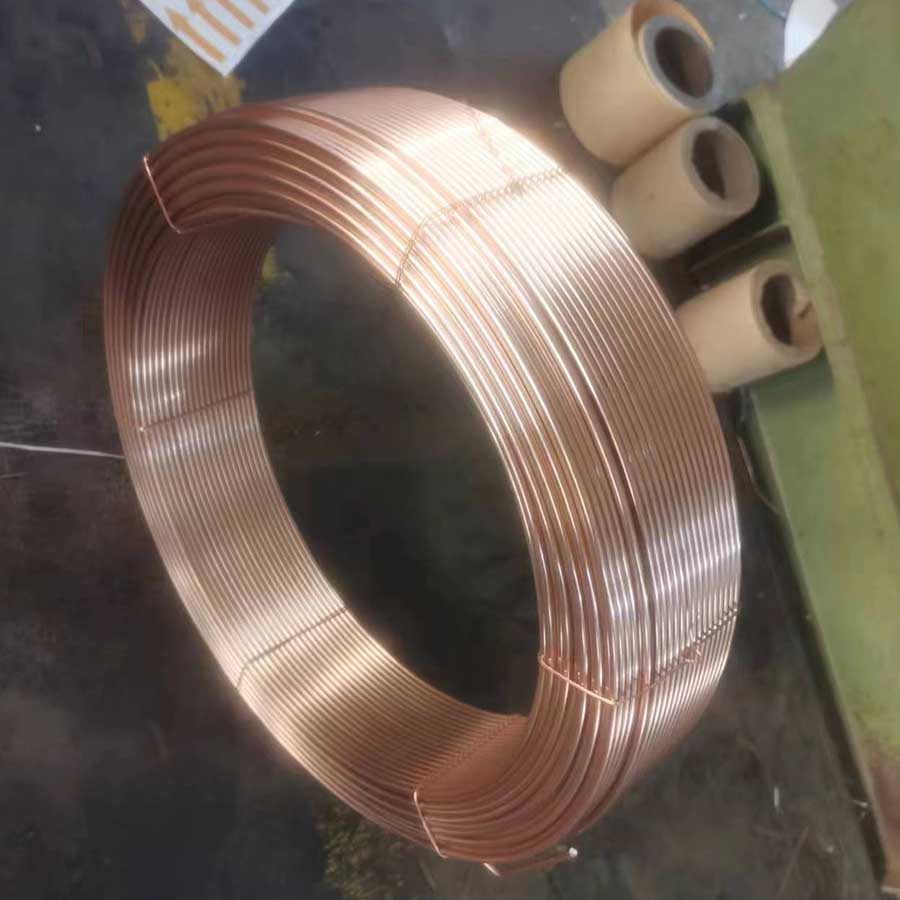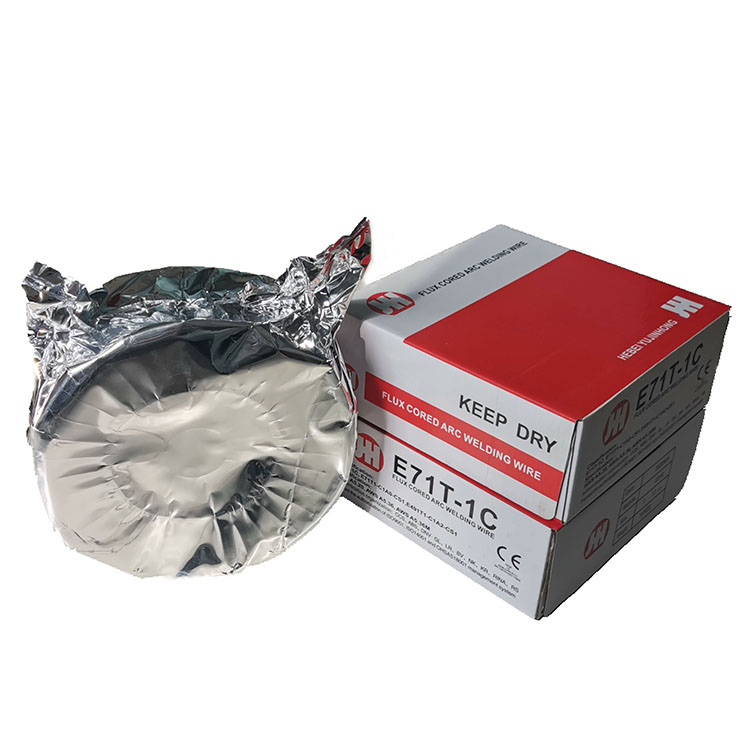
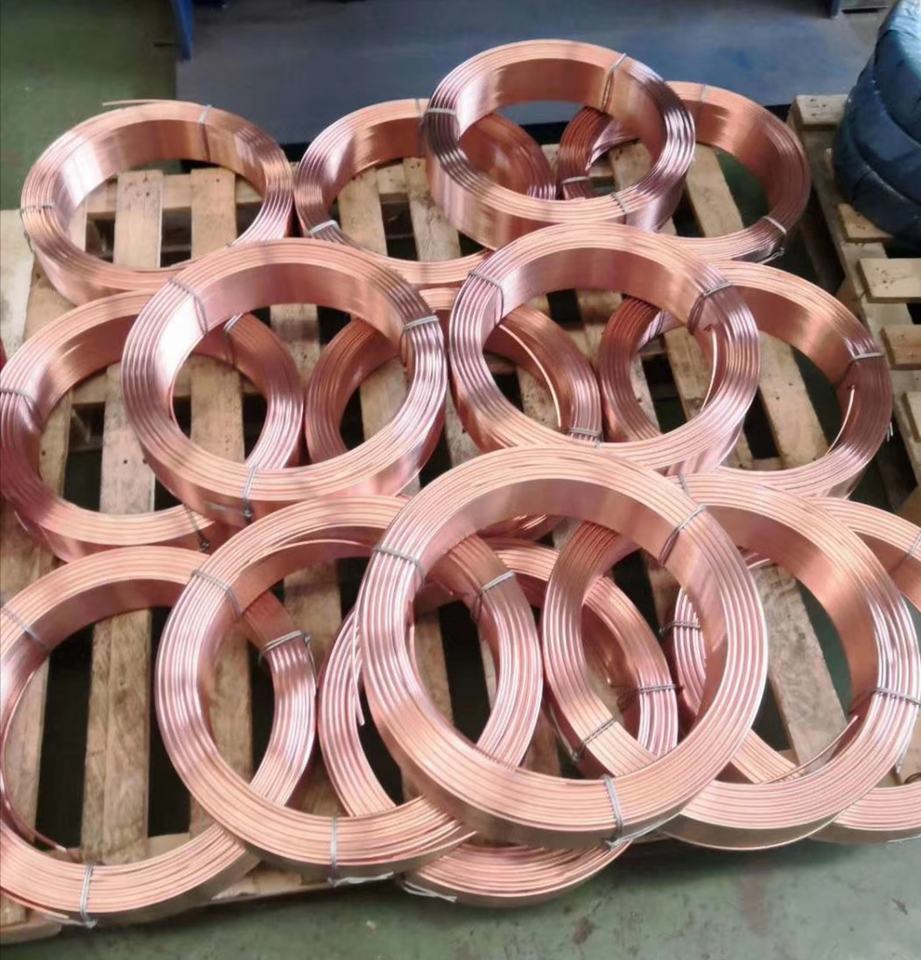
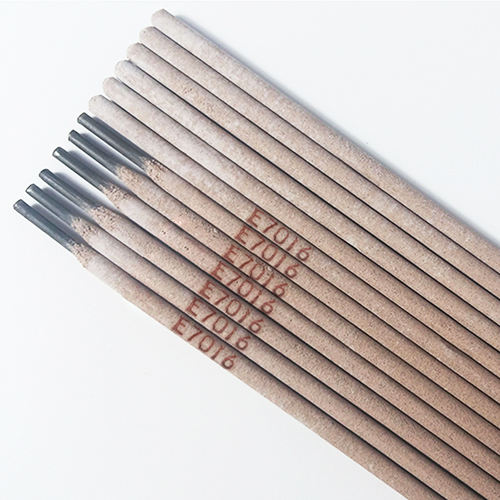
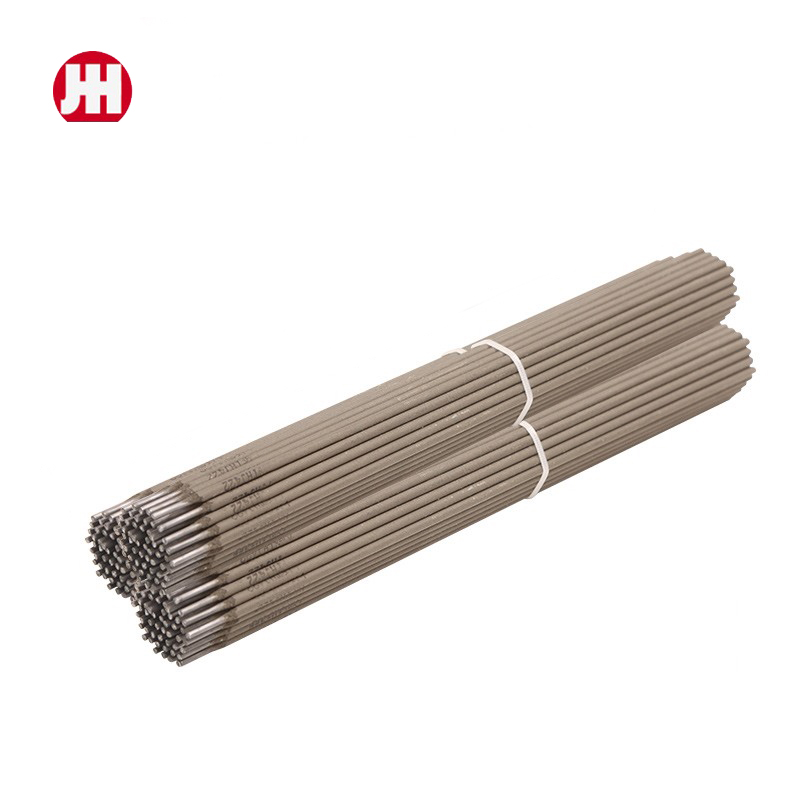
High-Performance welding electrode Solutions for Iran's Industrial Sector

Precision-engineered consumables designed to withstand the demanding environmental conditions of the Iranian metal fabrication and oil & gas industries.

High-Performance welding electrode Solutions for Iran's Industrial Sector

Providing top-tier joining materials that ensure structural integrity and weld quality across Iran's diverse manufacturing landscapes, from Tehran's workshops to the oil fields of Khuzestan.

Industrial Welding Landscape in Iran

Analyzing the intersection of geological challenges and metallurgical needs in the Iranian market.

The Iranian manufacturing sector is characterized by a heavy reliance on petrochemical and automotive infrastructure. Given the arid and often saline climate in coastal regions, the demand for high-corrosion-resistant metal welding rod options has surged to prevent premature structural failure in critical pipelines.

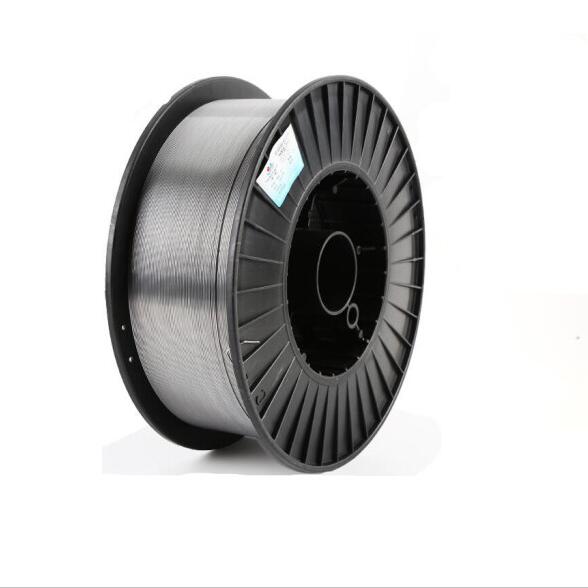
Local workshops frequently operate in high-temperature environments, which necessitates consumables that maintain stability and arc consistency. The shift toward more efficient welding wire has helped local firms reduce downtime and improve the overall throughput of heavy machinery production.

Economic fluctuations and trade dynamics in Asia have pushed Iranian engineers to seek a balance between cost-efficiency and international quality standards (AWS/EN), leading to a significant increase in the adoption of specialized alloys and precision-coated rods.
Evolution of Welding Technology in Iran

From traditional manual arcs to automated precision joining systems.

Market Development History

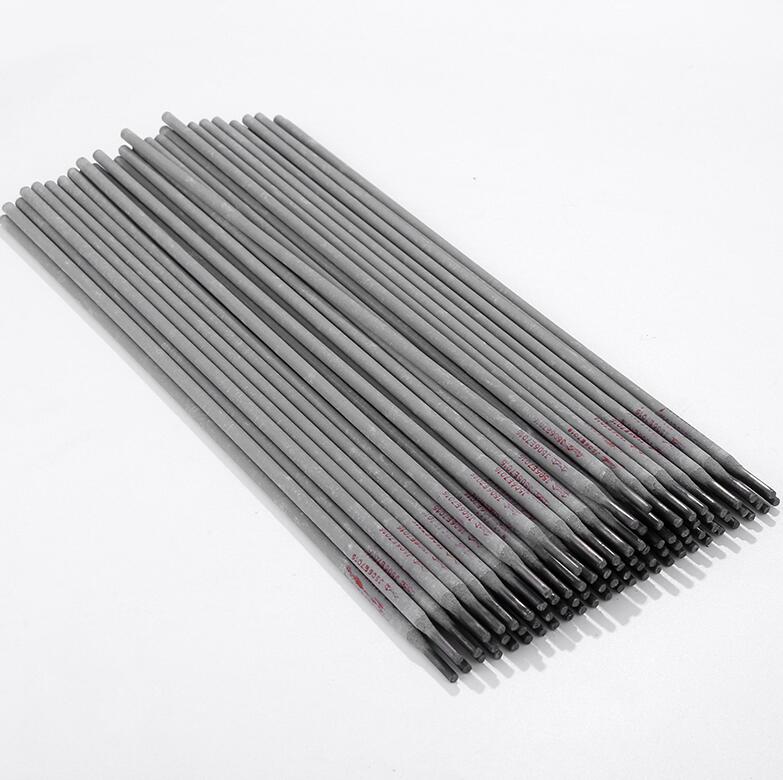
During the late 20th century, the Iranian market was dominated by basic manual metal arc welding (MMA) using general-purpose welding rod products. These were sufficient for basic construction but lacked the specialized properties required for the expanding oil sector.

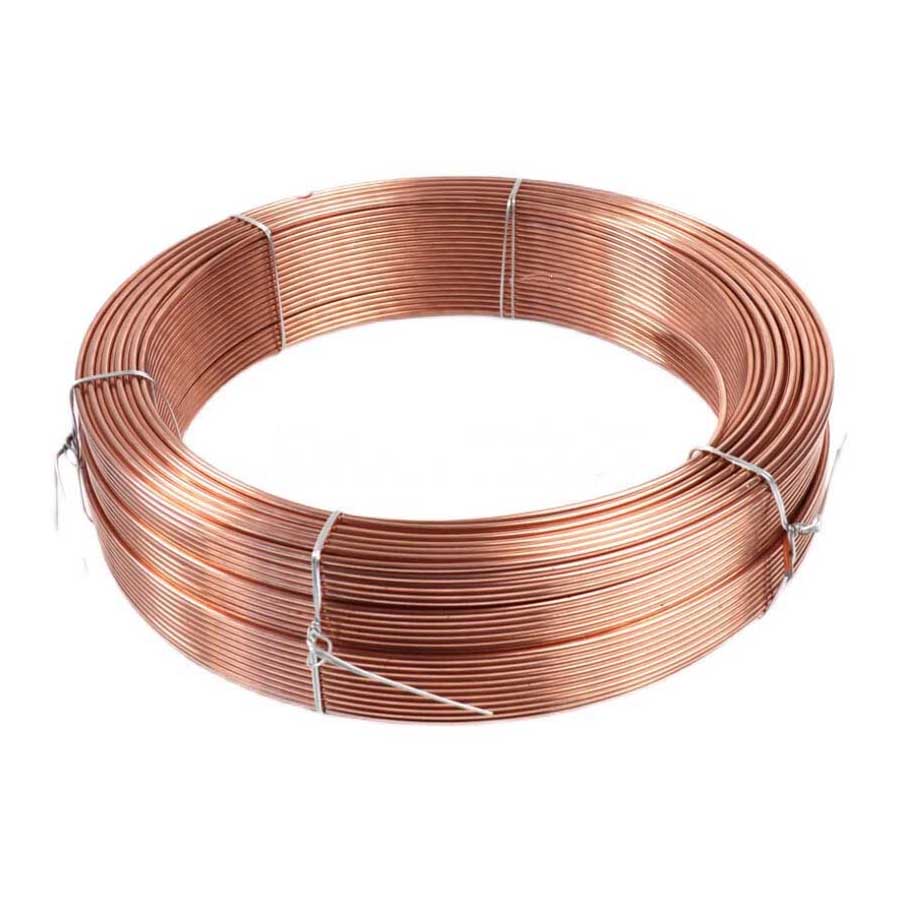
By the 2010s, there was a noticeable transition toward MIG/MAG processes. This era saw the introduction of high-quality welding wire, allowing for faster deposition rates and better weld aesthetics in the automotive parts industry.

In recent years, the focus has shifted toward specialty metals. The rise of aerospace and advanced naval projects in Iran has catalyzed the demand for specialized mig aluminum wire to handle lightweight, high-strength structural components.

Future Development Trends

Automation Integration

The integration of robotic arms with precision feeding systems for wires will reduce human error in large-scale Iranian industrial plants.

Eco-friendly Consumables

A trend toward low-fume and low-spatter electrodes to meet evolving workplace health and safety standards within Asian manufacturing hubs.

Smart Material Monitoring

Adoption of IoT-enabled welding power sources that optimize the consumption of electrodes based on real-time weld pool analysis.

Future Trends & Strategic Outlook

Anticipating the next 5 years of metallurgical advancement in the Iranian market.

Alloy Specialization
Increased demand for nickel-based and chrome-moly electrodes for extreme temperature environments.
Digital Inventory
Transition to JIT (Just-In-Time) supply chains for consumables to reduce warehousing costs.
Aluminum Expansion
Rapid growth in non-ferrous welding for sustainable energy projects across the plateau.
Energy Efficiency
Shift toward inverter-based welding systems requiring highly stable electrode coatings.

Industry Outlook

Based on Google search trends for industrial consumables in the MENA region, there is a growing interest in "automated welding systems" and "high-strength alloy wires." This suggests that the Iranian market is moving away from generic materials toward application-specific engineering.

We predict that the demand for high-purity mig aluminum wire will grow by 15% annually as Iran invests more in lightweight transport and renewable energy infrastructure over the next 3-5 years.

Localized Application Scenarios in Iran

Real-world implementations of cutting-edge welding consumables in the Iranian industrial landscape.

01. Oil and Gas Pipeline Maintenance

Utilizing high-tensile metal welding rod to ensure leak-proof joints in high-pressure pipelines transporting crude oil from the southwest fields.

02. Automotive Chassis Fabrication

Implementing high-speed welding wire in Tehran's automotive hubs to increase production efficiency and ensure weld penetration for vehicle safety.

03. Marine Vessel Construction

Applying specialized mig aluminum wire for hull components in Bandar Abbas shipyards to provide lightweight structures with superior salt-water corrosion resistance.

04. Heavy Machinery Repair

Using low-hydrogen welding electrode products for repairing mining equipment in the central plateau to prevent stress cracking under heavy loads.

05. Urban Infrastructure Projects

Employing versatile welding rod series for the construction of bridges and industrial warehouses in rapidly expanding metropolitan areas.

Brand Story

Global Development Journey of Hebei Yujinhong Technology Co., Ltd.

The Foundation of Precision

Established with a vision to redefine metal joining, we focused on the core chemistry of electrode coatings to solve common porosity issues.

Technological Expansion

We expanded our R&D to include advanced wire-drawing technologies, ensuring a seamless flow and consistent diameter for industrial automation.

Global Quality Certification

Achieving ISO and AWS certifications allowed us to penetrate the most demanding markets, ensuring our products meet global safety standards.

Entering the Asian Market

By tailoring our formulations for the specific climatic needs of Asia, we successfully provided solutions for extreme heat and humidity.

Sustainable Future

Our current mission is to lead the industry toward "green welding" by reducing hazardous emissions without compromising weld strength.

Comprehensive Welding Portfolio for the Iranian Market

A curated selection of consumables designed for the specific metallurgical requirements of Iran's industrial projects.

Frequently Asked Questions in Iran

Expert answers to common technical queries regarding welding consumables.

Which welding rod is best for high-sulfur steel common in Iranian pipelines?

For high-sulfur steels, we recommend basic-coated low-hydrogen electrodes that provide superior crack resistance and better mechanical properties in challenging environments.

How does mig aluminum wire perform in high-humidity coastal areas like Bandar Abbas?

Our mig aluminum wire is manufactured with high-purity alloys that minimize oxide formation, ensuring clean welds and excellent corrosion resistance in saline atmospheres.

What is the difference between a standard welding electrode and a specialized metal welding rod?

While an electrode often refers to the coated rod used in MMA, a metal welding rod can encompass TIG fillers or specialized alloy rods used for specific metallurgical joining tasks.

Can welding wire be used across different brands of MIG machines in Iran?

Yes, our welding wire adheres to international diameter tolerances, making it compatible with most professional-grade MIG/MAG welding machines available in the market.

How should I store welding electrode products to avoid moisture in the Iranian climate?

We recommend using heated ovens for low-hydrogen electrodes and keeping all consumables in airtight containers to prevent moisture absorption, which can cause porosity.

What certifications are provided for metal welding rod exports to Iran?

All our products come with Mill Test Certificates (MTC) confirming compliance with AWS or EN standards, ensuring full traceability and quality assurance.

Get Expert Welding Consultation

Our technical team is ready to provide customized consumable solutions for your projects in Iran.

Contact Us Now

If you are interested in our products, you can choose to leave your information here, and we will be in touch with you shortly.