
Industrial Welding Consumables Solutions for Nigeria's Metal Fabrication Sector

High-performance welding rod and wire solutions engineered for Nigeria's infrastructure and manufacturing growth.

Optimizing Nigerian Metalwork with Professional Welding Electrodes

Providing durable, international-standard welding consumables for Nigerian construction, shipbuilding, and automotive repair sectors to ensure structural integrity and efficiency.

The State of Metal Fabrication and Welding in Nigeria

Analyzing the demand for reliable welding electrode products in West Africa's largest economy.

Nigeria's industrial landscape is characterized by a rapidly expanding infrastructure sector and a vibrant SME metal-fabrication community. The demand for high-quality metal welding rods is driven by urban development in cities like Lagos and Abuja, where structural steelwork is essential for modern commercial buildings and transportation networks.

Many local workshops face challenges with consumable consistency, often struggling with slag removal or poor penetration in humid coastal environments. This necessitates the use of specialized electrodes, such as the E7018 low-hydrogen series, to ensure welds can withstand high stress and environmental corrosion common in the Gulf of Guinea region.

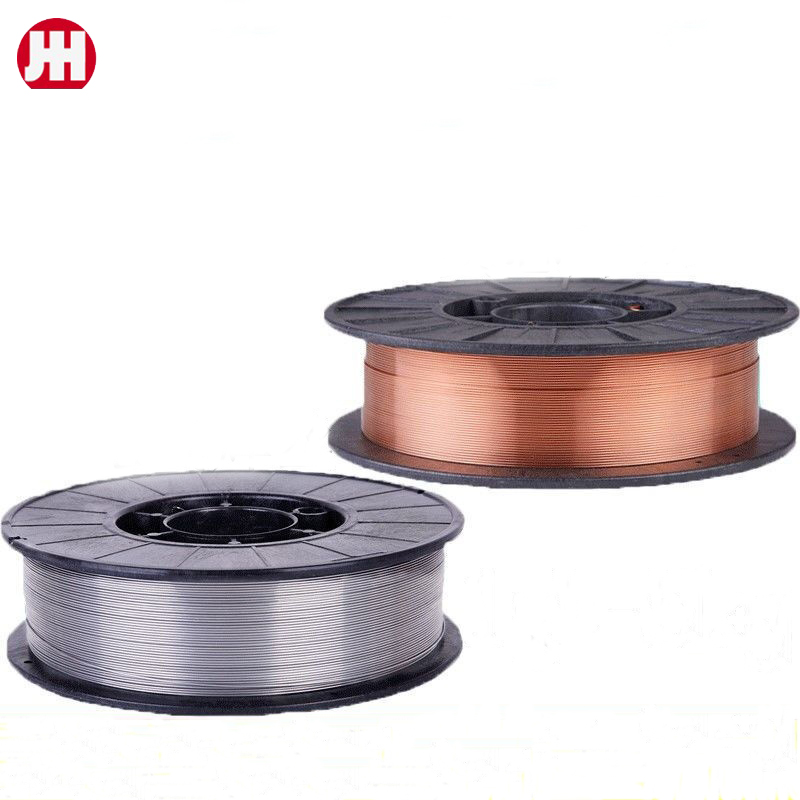
Professional fabricators in Nigeria increasingly seek suppliers who provide certified consumables that meet international standards. Whether it is for oil and gas pipeline maintenance or small-scale automotive repair, the priority has shifted toward reducing rework and increasing deposition rates through the use of premium welding wire.

Evolution of Welding Technology Adoption in Nigeria

From basic manual arc welding to advanced automated MIG and Flux-Cored processes.

Industrial Progression Path

Early Development Phase
Dominance of basic Stick welding (SMAW) using general-purpose rods. Focus was primarily on repair and simple fabrication with limited certification requirements.

Growth and Diversification
Introduction of specialized alloys and the adoption of MIG/MAG welding in larger manufacturing plants to increase speed and precision in automotive and appliance production.

Modern Technical Standard
Current shift toward high-strength consumables and automated systems, with a strong emphasis on international certifications (ABS, BV, CE) for offshore and shipbuilding projects.

Future Strategic Trends

1. Adoption of Advanced Alloys

Increased use of stainless steel and cast iron welding rods to support more complex machinery maintenance and specialized industrial equipment.

2. Transition to High-Efficiency Wires

Growing preference for flux-cored welding wire to improve productivity in heavy-duty structural projects where weather protection is limited.

3. Focus on Energy-Efficient Welding

Integration of inverter-based welding machines paired with high-stability electrodes to manage fluctuating power conditions in industrial zones.

Global Trends Shaping the Nigerian Welding Market

How international technological shifts are influencing local fabrication practices.

⚡
High-Deposition Rates
Shift toward welding wire that increases speed and reduces labor costs.
🤖
Semi-Automation
Adoption of MIG systems for consistent quality in Nigerian automotive assembly.
💳
Cost-Value Optimization
Balancing initial consumable cost with long-term structural durability and low rework.
🌱
Environmental Compliance
Preference for low-smoke and low-spatter electrodes for safer workshop environments.

Industrial Outlook for West Africa

The intersection of global manufacturing efficiency and Nigeria's local industrialization goals suggests a strong trajectory toward specialized consumables. The market will likely move away from generic rods toward application-specific solutions like mig aluminum wire for lightweight structures.

For Nigerian enterprises, the key to competitiveness lies in upgrading to certified materials that reduce waste and ensure compliance with international engineering codes, especially in oil, gas, and maritime sectors.

Welding Consumable Applications in Nigeria

Real-world scenarios where professional welding products drive industrial success.

01

Urban Structural Steelwork

Contractors in Lagos utilizing E7018 low-hydrogen rods for high-rise building frames to ensure maximum load-bearing strength and weld purity.

02

Oil & Gas Pipeline Maintenance

Specialized repair teams using stainless steel welding electrodes to combat corrosion in Niger Delta pipeline infrastructure.

03

Marine & Shipbuilding

Shipyards using Flux Cored welding wire for thick-plate hulls, benefiting from higher deposition rates and improved efficiency in outdoor conditions.

04

Automotive Component Fabrication

Manufacturing plants employing mig aluminum wire for the assembly of lightweight automotive parts and custom chassis work.

05

General SME Hardware Repair

Local workshops using E6013 general-purpose rods for versatile, easy-to-use repairs on gates, grills, and domestic metal fixtures.

Our Legacy of Excellence in Welding Technology

HEBEI YUJINHONG TECHNOLOGY CO., LTD: Dedicated to professional welding solutions since 1996.

1996: Foundation

Established in Shijiazhuang, committed to the professional development and manufacture of high-quality welding products.

2006: Production Expansion

Expanded the production base to achieve refined manufacturing with an annual productivity capacity of up to 100,000 tons.

2010: Brand Establishment

Registered the "GREAT MASTER" trademark, establishing a private brand recognized for professional-grade consumables.

2011: Global Certification

Achieved key international certifications including CE, ISO, CCS, and TUV, enhancing the foreign trade system.

2024: Strategic Growth

Establishment of a new branch factory to further expand the scale of foreign trade orders and enhance global supply capabilities.

Comprehensive Welding Consumables Portfolio

From E6013 and E7018 electrodes to ER70S-6 and Flux Cored wires, providing all the necessary tools for Nigerian industrial success.

Welding Consumables FAQ for Nigerian Clients

Expert answers to common questions regarding product selection and application.

What is the difference between a welding rod and a welding wire?

A welding rod (electrode) is typically used in Stick welding (SMAW), where the rod is consumed as filler and flux. A welding wire is used in MIG/TIG processes, fed continuously from a spool for higher speed and cleaner finishes.

Which welding electrode is best for coastal construction in Nigeria?

For structural work in humid coastal areas, E7018 low-hydrogen electrodes are recommended as they provide superior strength and resistance to cracking compared to general-purpose rods.

How do I choose the right MIG wire for aluminum fabrication?

You should use a professional mig aluminum wire that matches the specific alloy of your workpiece to ensure a strong bond and prevent oxidation during the process.

Are your welding products certified for shipbuilding?

Yes, our "GREAT MASTER" brand consumables are approved by major international bodies including ABS, BV, CCS, DNV.GL, LR, NK, KR, RINA, RS, BKI, and CWB.

How can I improve welding efficiency in a large-scale project?

Switching from manual stick welding to Flux Cored welding wire can significantly increase deposition rates and reduce the time spent on multiple passes for thick plates.

How can I request a quote for a bulk order in Nigeria?

You can contact us directly through our official website's contact page to discuss your specific product requirements, volume, and shipping logistics to Nigeria.

Discuss Your Industrial Welding Project in Nigeria

Get professional consultation on the best metal welding rod and wire specifications for your specific environment and application requirements in Nigeria.

Request a Professional Quote

If you are interested in our products, you can choose to leave your information here, and we will be in touch with you shortly.