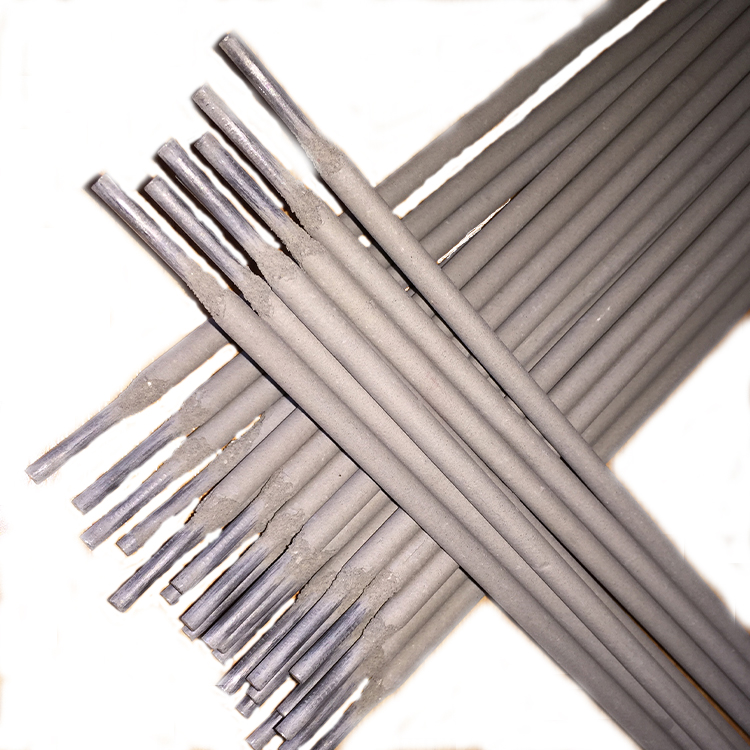
Industrial Grade welding wire Solutions for Brazil's Heavy Industry

Engineered for high-performance metal fabrication across Brazil's automotive, aerospace, and agricultural sectors, ensuring structural integrity in diverse climatic conditions.

Industrial Grade welding wire Solutions for Brazil's Heavy Industry

Providing precision-engineered consumables including high-tensile welding electrode and specialized alloys to meet the rigorous standards of the Brazilian manufacturing landscape.

The State of Metal Joining in Brazil

Analyzing the operational challenges of cutting-tool and welding consumables in South America's largest economy.

Brazil's manufacturing sector, particularly in the Southeast region, faces unique challenges due to high humidity and saline environments in coastal industrial hubs. This necessitates a high-quality metal welding rod that can resist atmospheric corrosion and maintain arc stability during heavy-duty fabrication.

The agricultural machinery sector in Mato Grosso and Paraná relies heavily on robust equipment. The demand for durable welding rod has shifted toward high-deposition rates to reduce downtime during the harvest season, where rapid repair of heavy machinery is critical.

Current market trends show a transition toward automation. While traditional manual processes remain, the adoption of mig aluminum wire is increasing in the automotive and aerospace hubs of São Paulo, driven by the need for lightweight materials and increased production speed.

Evolution of Welding Technology in Brazil

From traditional arc welding to the era of precision automated consumables.

Market Development History

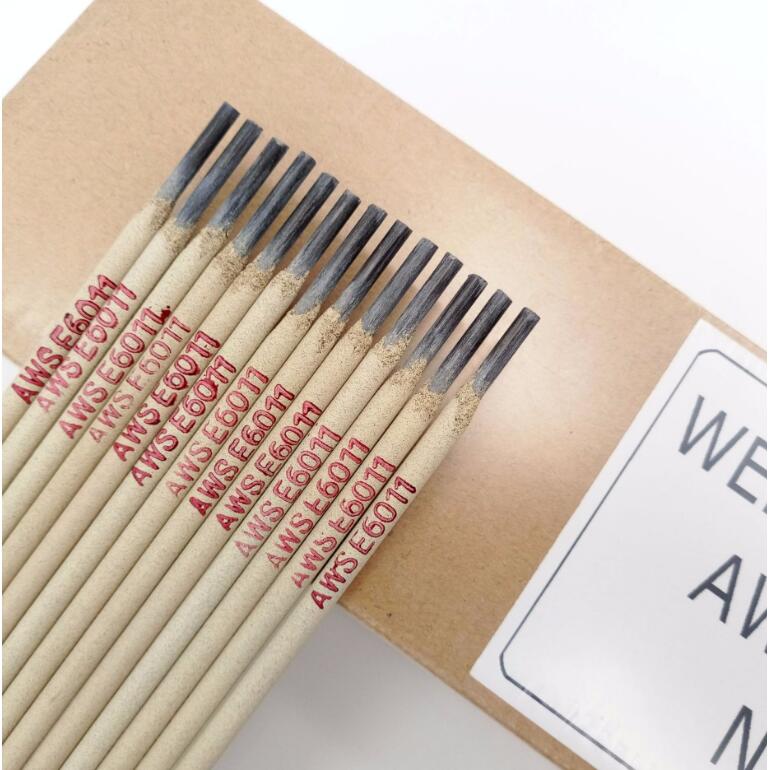
In the 1980s and 90s, the Brazilian market was dominated by basic shielded metal arc welding (SMAW), where the standard welding electrode was the primary tool for infrastructure and shipbuilding projects in Rio de Janeiro.

By the early 2000s, there was a significant pivot toward MIG/MAG processes. This period saw the introduction of standardized welding wire to support the booming automotive export industry, allowing for faster cycle times and cleaner welds.

From 2015 to the present, the focus has shifted toward "Specialty Metals." The rise of aluminum structures in sustainable energy projects has catalyzed the demand for high-purity mig aluminum wire, moving away from generic alloys to precision-grade consumables.

Future Development Trends

Digitalization of Feed Systems

Integration of IoT in welding feeders to monitor the consumption rate of wires in real-time, reducing waste in large-scale Brazilian factories.

Eco-friendly Flux Compositions

A move toward low-fume electrodes to comply with stricter environmental and occupational health regulations within the Mercosur trade bloc.

Advanced Hybrid Welding

The convergence of laser and arc welding, requiring specialized wires that can withstand extreme thermal gradients without porosity.

Industry Outlook & Technological Forecast

Predicting the shift in Brazil's metal tools and welding consumables market for 2025-2030.

Robotic Integration
Increased adoption of robotic arms using precision welding wire for consistent weld quality in automotive lines.
Alloy Optimization
Development of specialized metal welding rod alloys tailored for the high-sulfur steels common in Brazilian mining.
Lightweighting Trend
Surge in demand for mig aluminum wire as Brazil enhances its aerospace and electric vehicle infrastructure.
Sustainable Sourcing
Implementation of circular economy principles in the production of electrodes to reduce carbon footprint.

Industry Outlook

Google search trends indicate a rising interest in "automated welding consumables" within Brazil, reflecting a broader industrial shift toward Industry 4.0. We expect a 15% annual increase in the consumption of precision wires over the next 3 years.

The market is moving toward high-performance specialized products. The integration of AI-driven quality control in welding will necessitate consumables with extremely tight tolerance levels to prevent robotic malfunctions.

Localized Application Scenarios in Brazil

Real-world deployments of our welding solutions across various Brazilian industrial sectors.

1. Agricultural Machinery Repair in Mato Grosso

Utilizing high-impact welding rod for the rapid maintenance of combine harvesters and tractors, ensuring resistance to heavy mechanical stress.

2. Automotive Frame Fabrication in São Paulo

Implementation of high-speed welding wire in robotic assembly lines to maintain structural rigidity and weld aesthetics for export-grade vehicles.

3. Aerospace Component Welding in São José dos Campos

Applying ultra-pure mig aluminum wire for fuselage and structural elements, meeting stringent aerospace safety and weight specifications.

4. Oil & Gas Pipeline Infrastructure in Rio de Janeiro

Using specialized welding electrode for high-pressure pipeline joints, designed to withstand the corrosive effects of offshore saltwater environments.

5. Mining Equipment Hardfacing in Minas Gerais

Applying abrasion-resistant metal welding rod to excavator buckets and crushers to extend the lifecycle of equipment in iron ore mines.

Brand Story

Global Development Journey of Hebei Yujinhong Technology Co., Ltd.

Foundational Excellence

Established with a mission to solve the core pain points of weld porosity and inconsistent arc stability in heavy-duty industrial applications.

Technological Breakthrough

Developed advanced alloy refinement processes that significantly increased the tensile strength of industrial electrodes.

Global Expansion

Extended our reach to South America, tailoring product specifications to meet the unique environmental demands of the Brazilian market.

Quality Certification

Achieved international certifications ensuring that every batch of welding wire meets global ISO and AWS standards.

Future Vision

Leading the transition toward sustainable, low-emission welding consumables for a greener manufacturing future.

Complete Welding Consumables Portfolio for Brazil

A comprehensive range of products designed for the diverse needs of the Brazilian industrial sector.

Brazil Welding Industry FAQ

Expert answers to the most common technical queries from our Brazilian partners.

How to choose the right welding rod for high-humidity coastal areas in Brazil?

For coastal regions, we recommend low-hydrogen electrodes with superior moisture-resistant coatings to prevent hydrogen-induced cracking and ensure weld integrity.

What are the advantages of using mig aluminum wire in automotive lightweighting?

Our mig aluminum wire provides exceptional flowability and minimal spatter, which is essential for the precise requirements of automotive chassis and body components.

Can your metal welding rod handle the high-sulfur steel used in Brazilian mining?

Yes, we offer specialized alloy rods designed specifically to counteract sulfur embrittlement, ensuring strong, ductile joints in mining equipment.

What is the typical lifespan of a welding electrode in heavy agricultural repair?

Lifespan depends on the base metal, but our high-deposition electrodes are designed to maximize bead volume per rod, reducing the number of changes required.

How does the quality of welding wire affect robotic welding precision?

Consistent diameter and smooth surface finish of the wire are critical to prevent feeding jams and arc instability in automated systems.

Are your consumables compliant with Brazilian ABNT standards?

All our products are manufactured to meet or exceed international AWS and ISO standards, which are the basis for most ABNT technical specifications in Brazil.

Optimize Your Production Today

Ready to elevate your manufacturing standards? Contact our technical experts for tailored welding solutions across Brazil.

Contact Us Now

If you are interested in our products, you can choose to leave your information here, and we will be in touch with you shortly.