
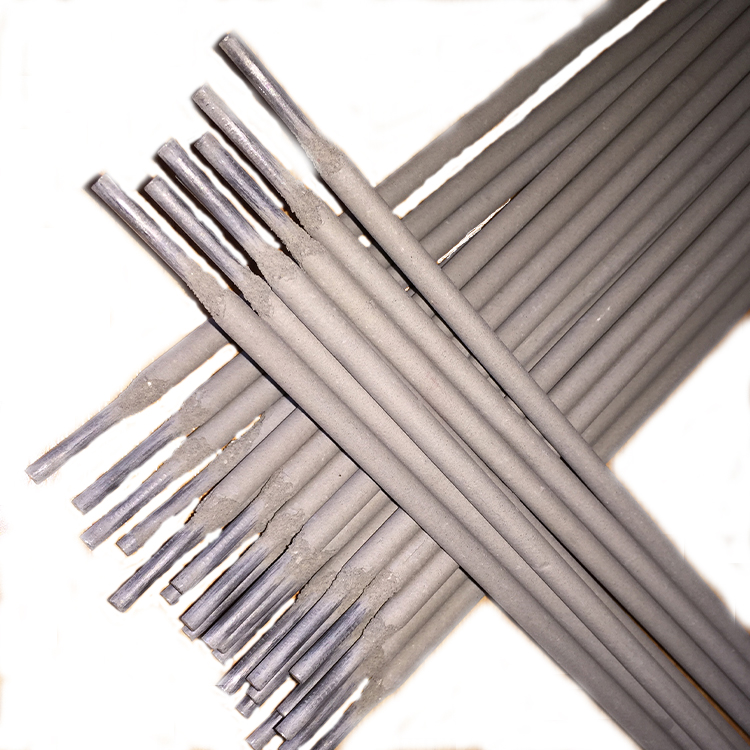
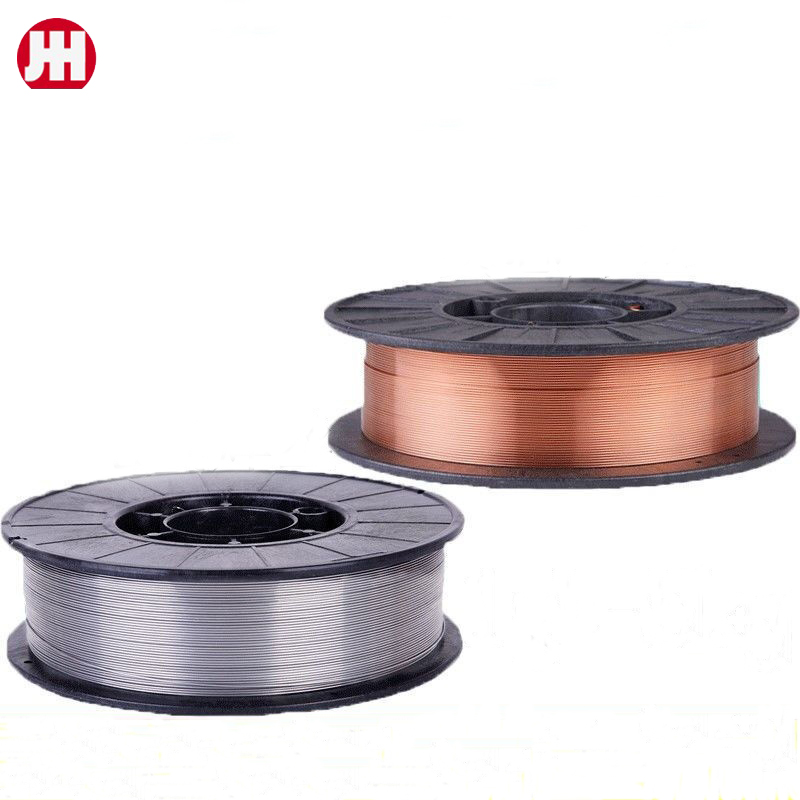
Advanced metal welding rod Solutions for Sri Lanka's Industrial Growth

High-performance consumables engineered for the unique climatic and structural demands of the Sri Lankan manufacturing sector.

Advanced metal welding rod Solutions for Sri Lanka's Industrial Growth

Providing Sri Lankan engineers and fabricators with industrial-grade welding consumables that ensure structural integrity in high-humidity coastal environments.

Welding Industry Landscape in Sri Lanka

Analyzing the impact of tropical climates on metal fabrication and consumables

Sri Lanka's manufacturing sector faces unique challenges due to its high humidity and saline coastal air, which accelerate oxidation. This environment demands a high-quality welding electrode that can maintain stable arc performance despite atmospheric moisture.

Currently, the local market is transitioning from basic repair-focused welding to large-scale infrastructure projects. The demand for specialized welding wire has surged as the country upgrades its port facilities and urban transport networks.

Economic shifts have led local workshops to seek a balance between cost-efficiency and durability. There is a growing preference for precision-engineered consumables that reduce slag waste and minimize the need for post-weld grinding in heavy industrial applications.

Evolution and Trajectory of Welding Technology

From traditional manual arcs to precision automated systems

Market Development History

In the early 2000s, the Sri Lankan market relied heavily on basic SMAW processes using generic welding rod options for simple construction and automotive repairs, focusing primarily on penetration over aesthetics.

Between 2010 and 2020, a shift toward MIG/MAG welding occurred in the garment machinery and light industrial sectors. This era saw the introduction of specialized mig aluminum wire for lightweight structural components and marine applications.

From 2021 to the present, there is a distinct move toward "Green Welding" and high-efficiency alloys. The integration of inverter-based power sources has increased the demand for low-hydrogen consumables to prevent cracking in critical joints.

Future Development Trends

Automation and Robotic Integration

Expect a 30% increase in robotic welding cells within Sri Lanka's export-oriented manufacturing hubs, requiring high-consistency consumables to avoid nozzle clogging.

Specialized Non-Ferrous Alloys

Growing demand for aerospace and high-end marine parts will drive the adoption of advanced aluminum and titanium alloys in welding processes.

Sustainable Consumable Chemistry

Future trends indicate a shift toward fume-reduced fluxes to comply with emerging global environmental and health standards in the workplace.

Industry Trends and Future Outlook

Strategizing for the next era of metal joining technology

Precision Alloy Adoption
Increased use of high-tensile alloys to meet international ISO standards for exported metal products.
Digital Weld Monitoring
Integration of IoT sensors to track consumable depletion and weld quality in real-time.
Eco-Friendly Fluxes
Transitioning to low-smoke and non-toxic coatings for safer indoor workshop environments.
Modular Fabrication
Growth in prefabricated steel structures requiring high-speed, high-deposition welding wires.

Industry Outlook

Based on Google search trends for "industrial fabrication Sri Lanka," we observe a steady rise in demand for specialized aluminum welding. This suggests that the automotive and marine sectors will lead the next growth wave.

The strategic focus will shift from simply "joining metal" to "engineering joints" that can withstand the extreme corrosion of the Indian Ocean, making high-purity consumables a market necessity.

Localized Application Scenarios in Sri Lanka

Real-world deployment of cutting-edge welding solutions

1. Colombo Port Expansion Projects

Utilization of heavy-duty metal welding rod for the fabrication of dock cranes and reinforced sea-wall structures to ensure maximum load capacity.

2. Marine Vessel Maintenance in Galle

Application of mig aluminum wire for repairing hull components and lightweight superstructure elements of fishing and transport vessels.

3. Apparel Machinery Fabrication

Using precision welding wire to build durable, vibration-resistant frames for the industrial sewing machine industry in the Western Province.

4. Urban Infrastructure Railwork

Deployment of high-strength welding electrode for the installation of railway supports and urban bridge reinforcement projects.

5. Agricultural Tool Manufacturing

Application of versatile carbon steel rods for the local production of tractors and irrigation equipment tailored for the dry zone's soil conditions.

Brand Story

Global Development History of Hebei Yujinhong Technology Co., Ltd.

Industrial Foundations

Established with a focus on metallurgical excellence, we began by solving the fundamental problem of weld porosity in heavy industry.

Technological Breakthroughs

We developed proprietary coating formulas that significantly reduced spatter and improved arc stability for various metal grades.

Global Market Expansion

Expanding our footprint into Asia, we tailored our product lines to meet the specific humidity and temperature challenges of tropical regions.

Quality Standardization

Achieving international certifications ensured that our consumables meet the rigorous safety standards of global infrastructure projects.

Vision for the Future

Our mission is to empower manufacturers worldwide with smart welding materials that bridge the gap between durability and efficiency.

Comprehensive Welding Consumables Portfolio for Sri Lanka

A curated selection of materials designed for diverse industrial applications

Frequently Asked Questions in Sri Lanka

Expert answers to common technical queries

How to prevent moisture absorption in welding electrode storage in Sri Lanka?

Due to high humidity, we recommend using heated ovens or vacuum-sealed packaging for electrodes to ensure the flux remains dry and prevents hydrogen cracking.

Which metal welding rod is best for coastal marine structures?

Stainless steel or nickel-alloy rods are preferred for coastal areas to provide superior corrosion resistance against saline air and sea spray.

What is the advantage of using mig aluminum wire for boat repairs?

MIG aluminum wire offers higher deposition rates and cleaner welds, which are critical for maintaining the watertight integrity and lightweight nature of marine hulls.

How do I choose the correct welding wire for industrial frame fabrication?

Select based on the base metal grade and required tensile strength; ER70S-6 is generally the standard for mild steel structural frames due to its versatility.

Can I use a general welding rod for high-pressure pipe welding?

No, high-pressure systems require low-hydrogen specialized rods to avoid underbead cracking and ensure structural safety under stress.

What are the signs of using an inferior welding electrode?

Common signs include excessive spatter, unstable arc, difficulty in slag removal, and visible porosity in the finished weld bead.

Get Expert Technical Support

Our engineers are ready to provide tailored welding consumable specifications for your projects in Sri Lanka.

Contact Us Now

If you are interested in our products, you can choose to leave your information here, and we will be in touch with you shortly.