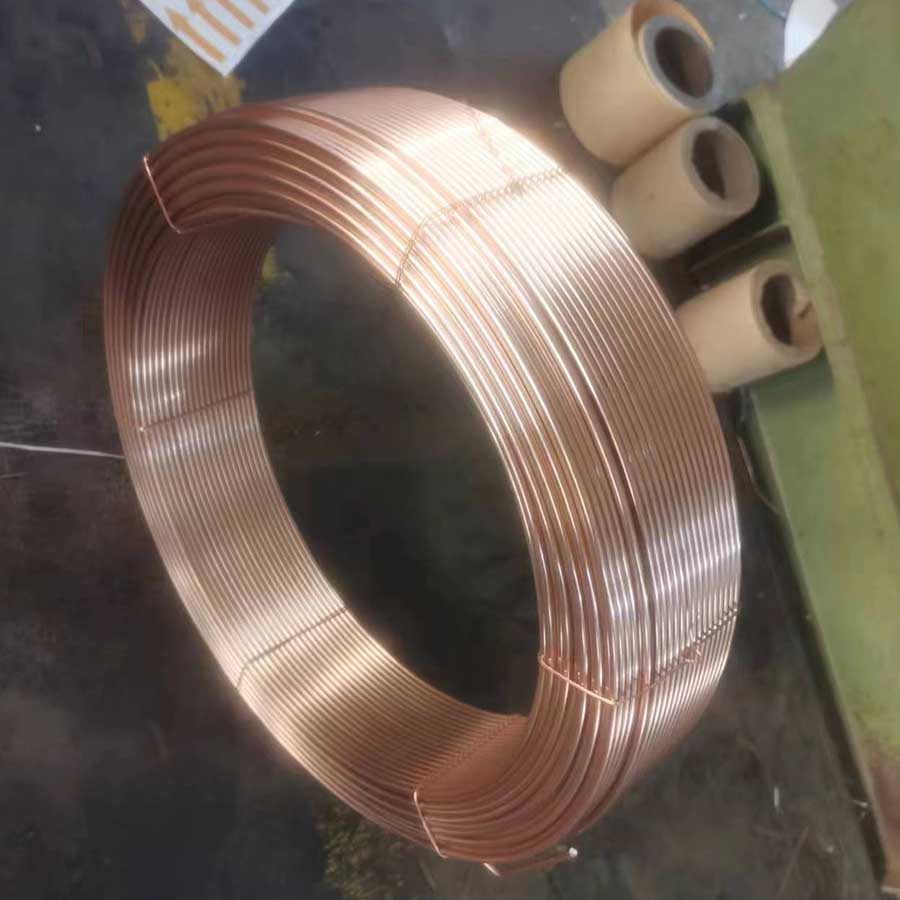
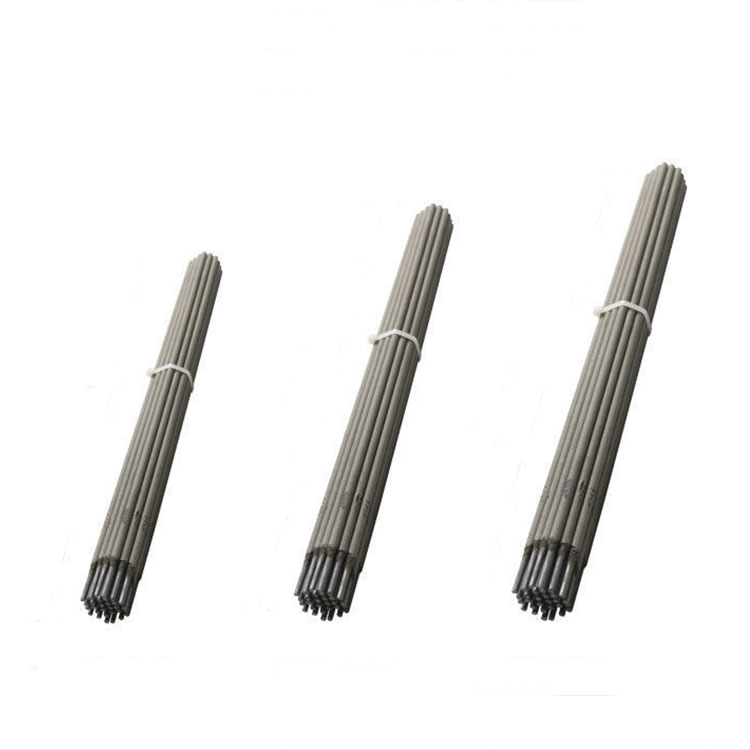
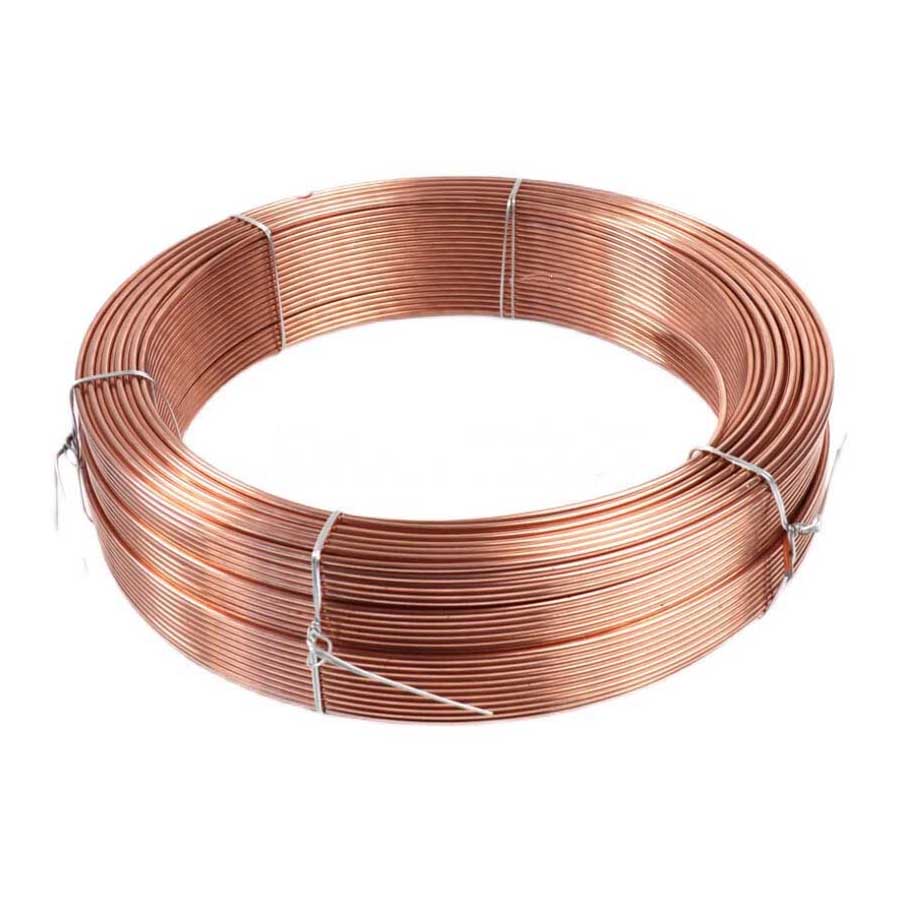
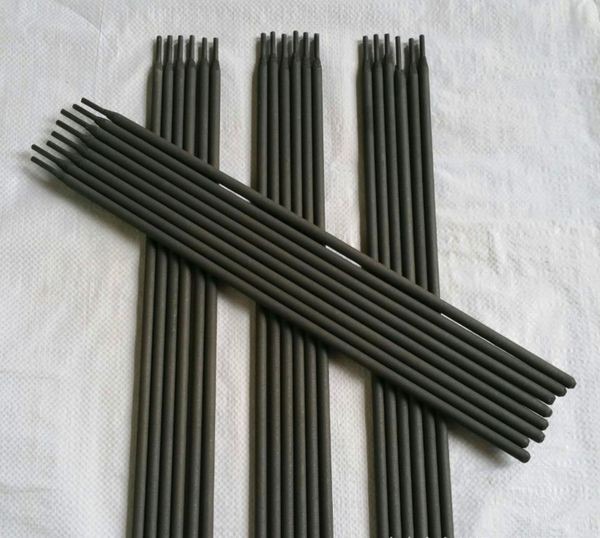
High-Performance welding wire Solutions for Australian Industry

Precision-engineered consumables designed to withstand the extreme operational demands of Oceania's mining, marine, and infrastructure sectors.

High-Performance welding wire Solutions for Australian Industry

Providing the Australian metallurgical market with advanced welding consumables that ensure structural integrity in high-corrosion and high-stress environments.

Welding Consumables Landscape in Australia

Analyzing the synergy between materials science and Australia's unique geographic demands.

Australia's manufacturing sector is heavily influenced by its massive mining and resource extraction industries. The demand for a high-quality metal welding rod is driven by the need for heavy-duty equipment repair in the Outback, where extreme temperature fluctuations and abrasive dust challenge weld durability.

Coastal infrastructure projects across New South Wales and Queensland necessitate specialized alloys to combat high salinity. The use of mig aluminum wire has become essential for marine applications and lightweight transport frames, requiring precise chemical compositions to prevent galvanic corrosion.

Economically, the region is shifting toward automated fabrication. This transition has increased the consumption of continuous feed consumables, moving away from manual processes toward high-efficiency systems that require consistent diameter and surface quality to minimize downtime in large-scale workshops.
Evolution of Welding Technology in Oceania

From traditional stick welding to precision robotic integration.

Market Development History

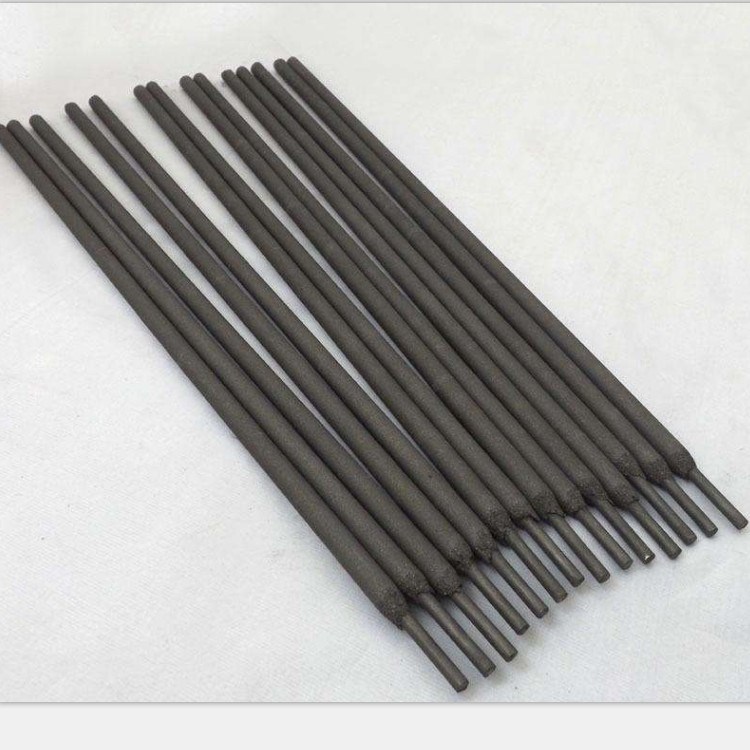
In the early industrial era (1950s-1980s), the Australian market relied heavily on the basic welding electrode for onsite construction and rail maintenance. These manual processes were rugged but lacked the speed required for emerging industrialization.

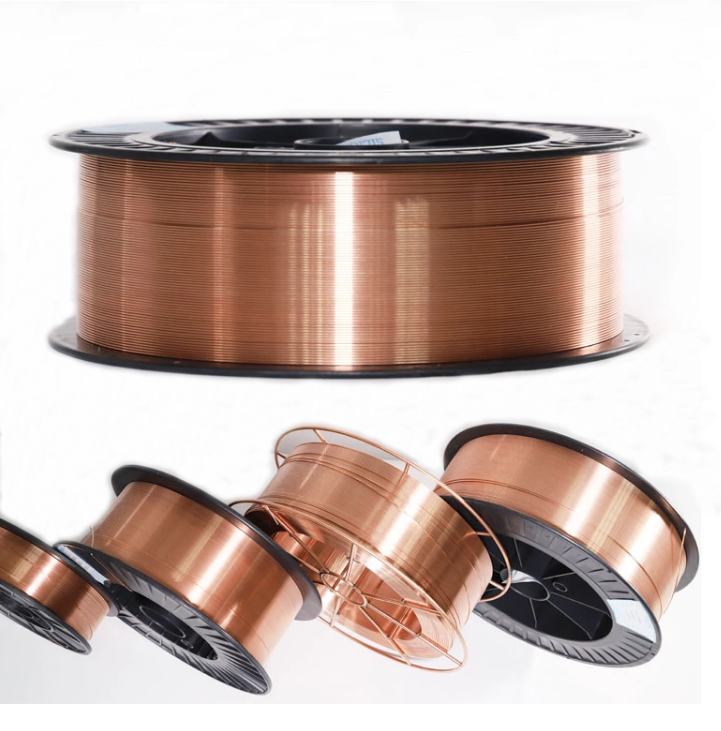
The 1990s saw a pivotal shift toward MIG and TIG processes. The introduction of specialized welding rod variants allowed for better control over heat input, which was critical for the burgeoning oil and gas pipelines in Western Australia.

From 2010 to the present, the integration of inverter technology and digital power sources has redefined precision. The focus has shifted toward "low-spatter" and "high-deposition" materials to maximize productivity in urban infrastructure projects.

Future Development Trends

Smart-Material Integration

Development of alloys that provide self-healing properties or enhanced sensors for real-time weld quality monitoring in remote mining sites.

Green Hydrogen Infrastructure

Increased demand for specialized consumables capable of welding high-pressure hydrogen storage tanks, focusing on preventing hydrogen embrittlement.

Robotic Flux Optimization

A surge in AI-driven welding cells that automatically adjust the feed rate of consumables to maintain perfect bead geometry.

Industry Trends and Future Outlook

Strategic forecasting for the Australian cutting and joining tool sector.

Automation Synergy
Rapid adoption of Cobots in SME workshops to stabilize weld quality and reduce labor costs.
Eco-Friendly Alloys
Shift towards low-emission manufacturing processes and recyclable packaging for consumables.
High-Strength Alloys
Integration of nano-structured fillers to enhance tensile strength in seismic-resistant buildings.
Precision Certification
Stricter adherence to AS/NZS standards for consumables used in public infrastructure.

Industry Outlook

Google search trends indicate a rising interest in "automated welding consumables" and "sustainable metal joining," suggesting that Australian firms are prioritizing efficiency over raw manual labor. The market is evolving toward a "just-in-time" supply chain model to reduce warehouse costs.

In the next 3-5 years, we expect a convergence of IoT and consumables, where the welding machine communicates the exact wear rate of the electrode to procurement systems, ensuring zero downtime for critical mining operations.

Local Application Scenarios in Australia

Real-world deployment of our welding solutions across Oceania.

01. Pilbara Iron Ore Mining Equipment

Using heavy-duty metal welding rod for the hard-facing of excavator buckets and crusher liners to resist extreme abrasion in Western Australian mines.

02. Sydney Harbor Marine Infrastructure

Application of mig aluminum wire for the fabrication of lightweight, corrosion-resistant gangways and maritime vessel components.

03. Melbourne Urban Transit Expansion

Utilization of high-precision welding wire for the assembly of rail transport frames and electrical substation supports.

04. Queensland Agricultural Machinery

Deployment of versatile welding electrode sets for the rapid repair of grain silos and harvest machinery in remote rural areas.

05. Northern Territory Gas Pipelines

Implementation of specialized low-hydrogen consumables to ensure leak-proof joints in high-pressure natural gas transmission lines.

Brand Story

Global Development Journey of Hebei Yujinhong Technology Co., Ltd.

Foundational Excellence

Established with a vision to bridge the gap between raw metallurgy and precision tooling, focusing on high-purity alloy production.

Technological Breakthrough

Developed proprietary coating technologies for electrodes that significantly reduce slag inclusion and spatter in heavy industry.

Global Market Expansion

Expanded operations into the Oceania region, tailoring product specifications to meet Australian AS/NZS certification standards.

Innovation in Automation

Launched a new line of robotic-compatible welding wires designed for high-speed deposition and zero-defect performance.

Sustainable Future

Commitment to carbon-neutral manufacturing, ensuring that every welding tool produced minimizes environmental impact.

Comprehensive Welding Portfolio for the Australian Market

A curated selection of tools designed for the most demanding industrial environments in Oceania.

Frequently Asked Questions - Australia Edition

Expert answers to common technical queries regarding metal joining tools.

Which mig aluminum wire is best for coastal saltwater environments in Australia?

For high-salinity areas, we recommend 5356 aluminum alloy wire due to its superior corrosion resistance and higher shear strength compared to 4043.

How to choose the right welding electrode for remote mining equipment repair?

Depending on the base metal, E7018 low-hydrogen electrodes are ideal for structural steel, while hard-facing rods are required for wear-resistant surfaces.

What are the advantages of using a high-grade metal welding rod for heavy machinery?

High-grade rods offer better penetration, reduced porosity, and superior fatigue resistance, which are critical for the cyclical loading found in mining gear.

Can your welding wire be used with robotic welding systems in Australian factories?

Yes, our wires feature tight diameter tolerances and consistent surface coatings to prevent feeding issues in automated robotic systems.

How do I store welding consumables to prevent moisture in humid Queensland climates?

We recommend using heated ovens for low-hydrogen electrodes and vacuum-sealed packaging for wires to prevent oxidation and hydrogen-induced cracking.

What certification standards do your Australian welding products follow?

Our products are manufactured to align with AWS and ISO standards, ensuring they meet the rigorous requirements of AS/NZS industrial codes.

Get Expert Technical Consultation

Looking for precision welding solutions tailored for the Australian industrial market? Our engineers are ready to help you optimize your production in Australia.

Contact Us Now

If you are interested in our products, you can choose to leave your information here, and we will be in touch with you shortly.