
Industrial welding electrode Solutions for Vietnam Infrastructure

Providing high-performance consumables for the booming metal fabrication and construction sectors across Southeast Asia.

Industrial welding electrode Solutions for Vietnam Infrastructure

Specialized cutting and joining tool solutions designed to meet the rigorous demands of Vietnam's industrialization, from shipbuilding in Hai Phong to electronics manufacturing in Bac Ninh.

Current Landscape of Welding Consumables in Vietnam

Analyzing the intersection of rapid urban growth and metallurgical requirements in Vietnam.

Vietnam's manufacturing sector is currently undergoing a massive transition, driven by a surge in Foreign Direct Investment (FDI). In the tropical and humid climate of Vietnam, the storage and performance of a welding rod are critical, as moisture absorption can lead to hydrogen-induced cracking in structural steel.

The market is shifting from small-scale workshops to automated factories. This evolution has increased the demand for consistent welding wire that can integrate seamlessly with robotic arms used in automotive assembly plants in the southern economic zones.

Furthermore, the growth of the aerospace and high-end electronics sectors has created a niche but critical need for specialized mig aluminum wire, requiring purity and precision that exceed traditional domestic standards.
Evolution and Technical Trajectory of Metal Joining

From manual arc welding to digitized precision joining.

Market Development History

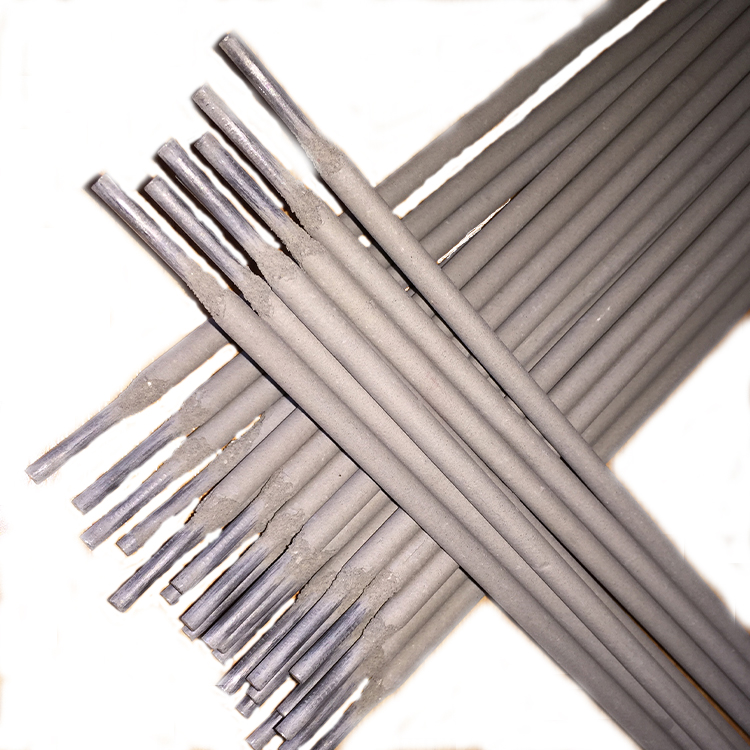
From 1990 to 2010, the Vietnamese market relied heavily on manual SMAW processes, where the basic metal welding rod was the primary tool for rural infrastructure and small-scale bridge construction.

Between 2010 and 2020, the "Industrialization Era" saw a shift toward GMAW and FCAW. This period marked the widespread adoption of bulk welding wire to increase deposition rates in the shipbuilding yards of Vung Tau.

Since 2020, the focus has pivoted toward metallurgy optimization and environmental sustainability, integrating advanced alloys to resist corrosion in coastal industrial zones.

Future Development Trends

Smart-Wire Integration

Integration of IoT-enabled feeding systems that monitor the consumption rate of consumables in real-time to reduce waste.

Eco-Friendly Fluxes

Development of low-fume electrodes to comply with stricter occupational health and safety laws in Vietnamese urban centers.

High-Precision Aluminum Alloys

Expansion of mig aluminum wire usage in the electric vehicle (EV) chassis manufacturing sector.

Industry Trends and Strategic Outlook

Predicting the 3-5 year shift in cutting and welding technologies in Asia.

Automation Synergy
Transitioning from manual electrodes to automated wire-feed systems to meet export quality standards.
Material Diversification
Increased adoption of non-ferrous metals, driving the demand for specialized aluminum and titanium wires.
Precision Engineering
Shift toward micro-welding for the semiconductor industry in Ho Chi Minh City.
Sustainable Sourcing
Moving towards carbon-neutral manufacturing of consumables to satisfy EU import requirements.

Industry Outlook

Based on search trends, there is a significant increase in queries related to "automated welding efficiency" in the Asia-Pacific region. This suggests that Vietnam will move rapidly toward the integration of AI-driven welding systems.

We anticipate that the reliance on low-cost, low-quality consumables will vanish, replaced by a preference for certified high-performance alloys that reduce rework rates and energy consumption.

Localized Application Scenarios in Vietnam

Real-world implementation of cutting-edge metal tools in the Vietnamese market.

01. Shipbuilding in Hai Phong

Utilizing heavy-duty welding wire for hull construction, ensuring structural integrity against high-salinity maritime environments.

02. Bridge Construction in Mekong Delta

Applying high-tensile welding electrode for reinforced steel structures to withstand soft-soil subsidence and humidity.

03. Automotive Assembly in Bac Ninh

Implementing robotic mig aluminum wire for lightweight chassis components to improve fuel efficiency in urban transport.

04. Steel Frame Warehousing in Binh Duong

Using consistent metal welding rod for rapid assembly of industrial parks and logistics hubs.

05. Electronics Enclosures in Da Nang

Specialized precision welding for aluminum heat sinks and protective casings using ultra-pure wire consumables.

Brand Story

Global Development Journey of Hebei Yujinhong Technology Co., Ltd.

Foundational Excellence

Started with a commitment to solving the instability of traditional metallurgical consumables in heavy industry.

Technical Innovation

Developed proprietary alloy coatings that drastically reduced spatter and slag during the welding process.

Global Expansion

Expanded footprint into Southeast Asia, adapting product lines to meet the specific climate challenges of Vietnam.

Quality Certification

Achieved international standards for consistency, ensuring our tools meet the strictest global export codes.

Future Vision

Leading the transition toward "Green Welding" by reducing the carbon footprint of our production chain.

Comprehensive Product Portfolio for Vietnam Market

A full spectrum of professional welding consumables tailored for Southeast Asian industrial needs.

Common Questions in Vietnam's Welding Industry

Expert answers to technical challenges faced by local fabricators.

How to prevent moisture in welding rod storage in humid Vietnam climates?

We recommend using heated drying ovens and vacuum-sealed packaging to maintain the integrity of the flux coating and prevent porosity.

Which welding electrode is best for coastal bridge construction?

Low-hydrogen electrodes with enhanced corrosion-resistant alloying elements are ideal for resisting the salty air of coastal regions.

Can mig aluminum wire be used for EV battery housings?

Yes, our high-purity aluminum wires are specifically designed for airtight, leak-proof seals required in battery enclosures.

What is the deposition rate difference between metal welding rod and wire?

Welding wire offers significantly higher deposition rates and duty cycles, making it superior for high-volume industrial production.

How to choose the right welding wire for automotive grade steel?

Selection should be based on the carbon content of the base metal; our specialized wires ensure minimal heat-affected zone (HAZ) deformation.

Are your consumables compatible with robotic welding systems in Vietnam?

Absolutely. Our wire diameters are manufactured to strict tolerances to ensure smooth feeding in automated systems without jamming.

Ready to Optimize Your Production?

Get expert consultation on the best metallurgy solutions for your project in Vietnam.

Contact Us Now

If you are interested in our products, you can choose to leave your information here, and we will be in touch with you shortly.