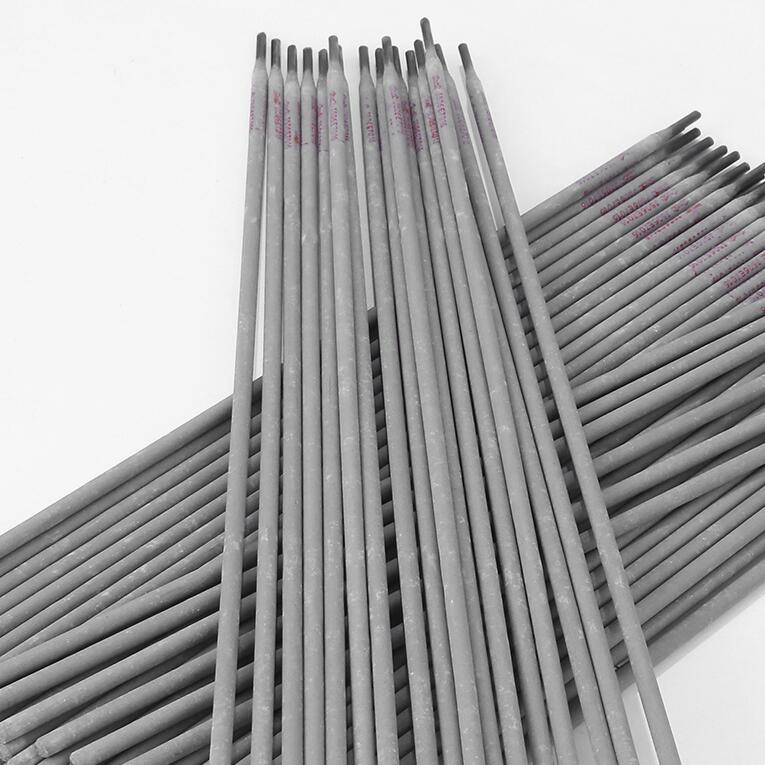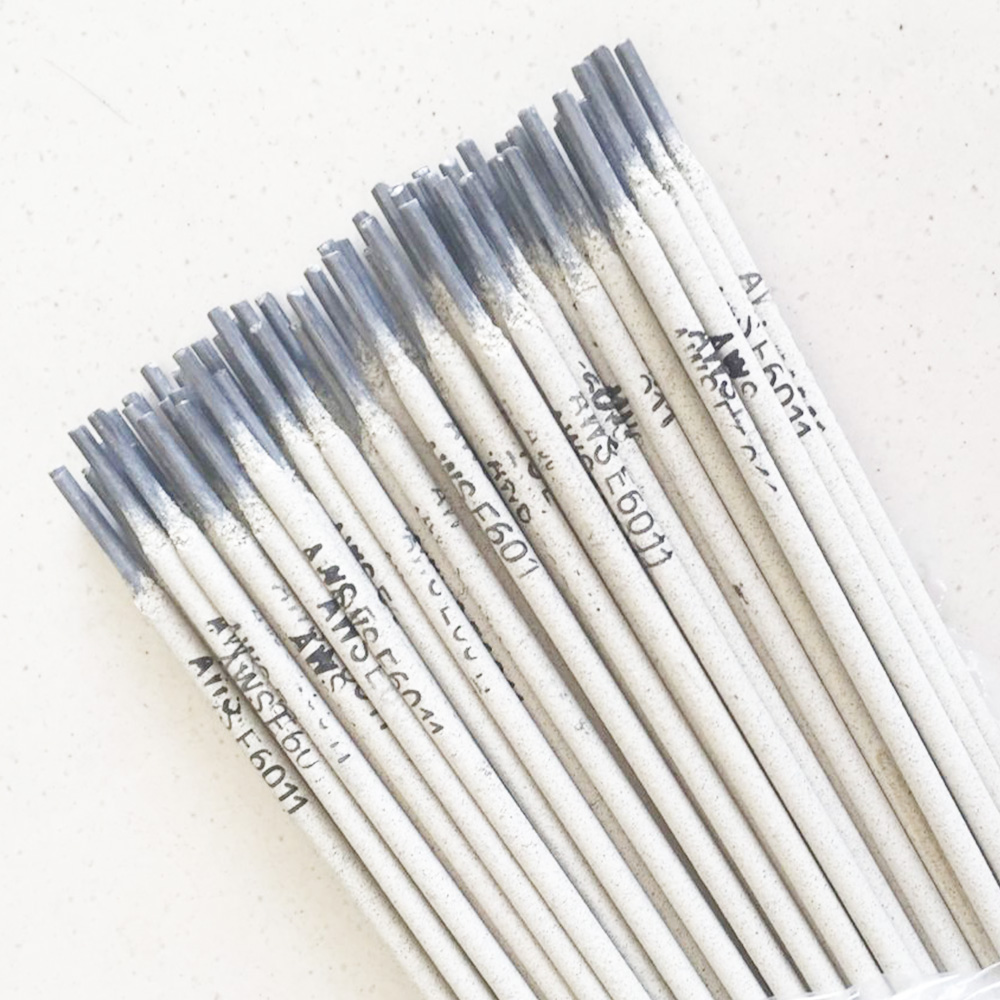


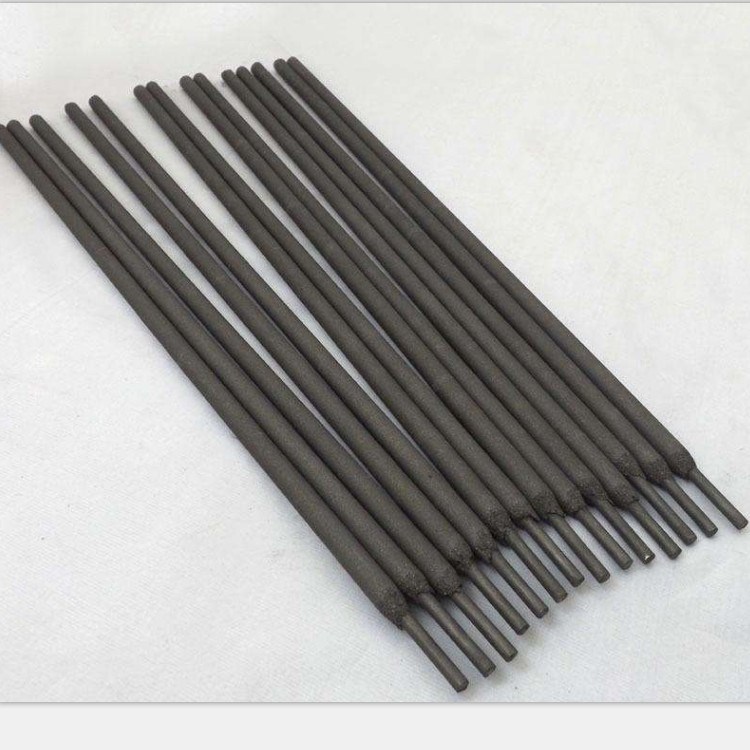
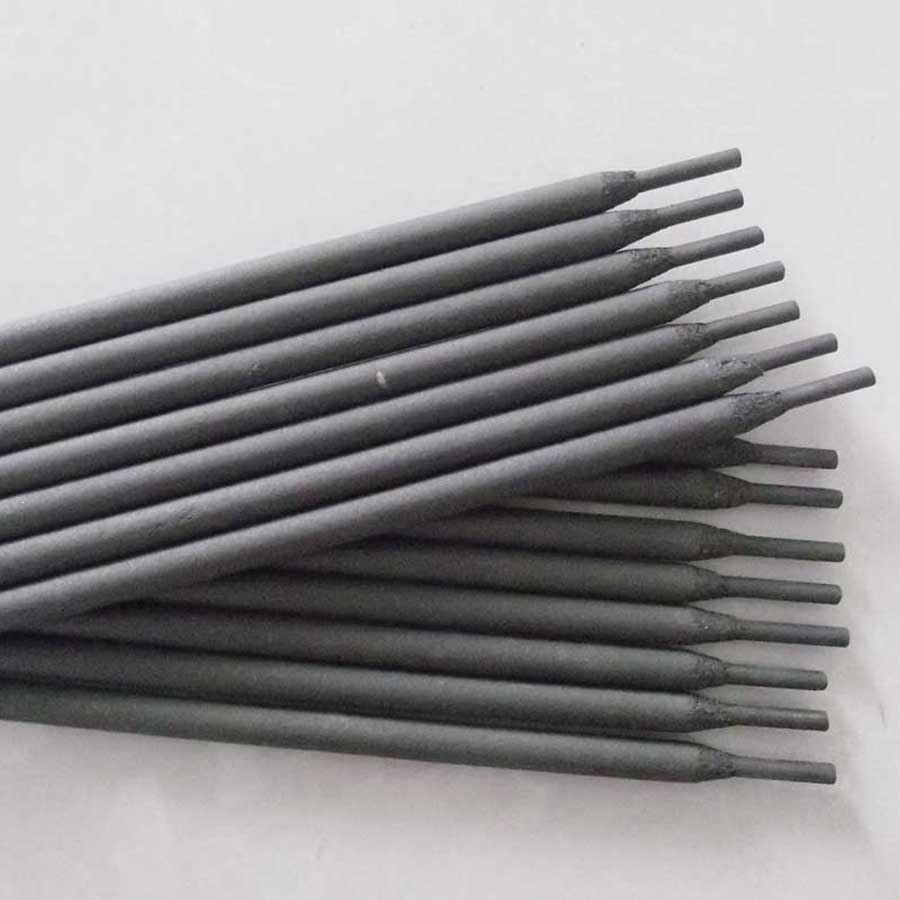
The manufacturing sector in Pakistan is currently characterized by a dual structure: a vast network of small-scale workshops and a growing number of large-scale industrial plants. In cities like Karachi and Lahore, the demand for a reliable welding rod is driven by the automotive and shipbuilding industries, where stability under high humidity and temperature fluctuations is critical.
Economic shifts and the push for local infrastructure development have increased the reliance on high-strength welding electrode options. However, many local fabricators still struggle with inconsistent material quality, leading to higher porosity and failure rates in structural welds, especially in heavy machinery components.
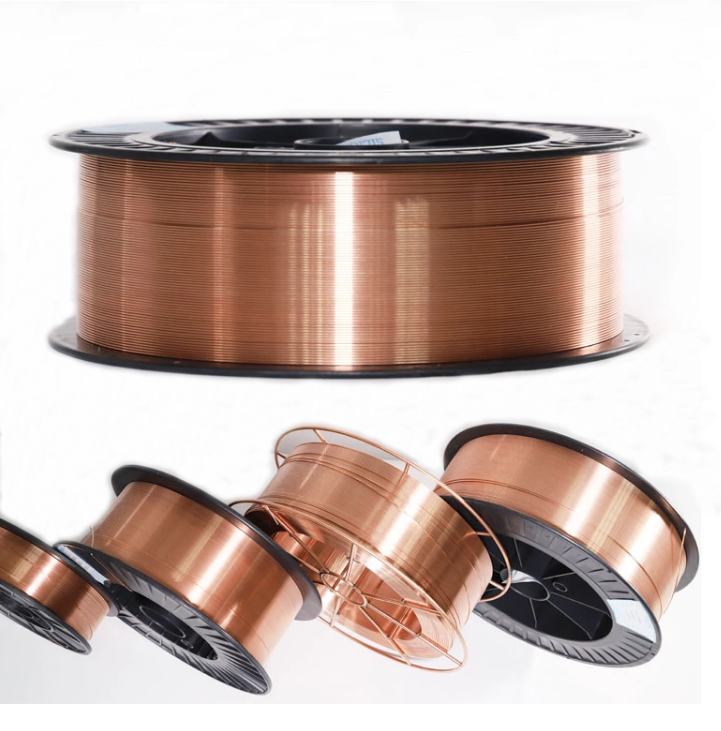
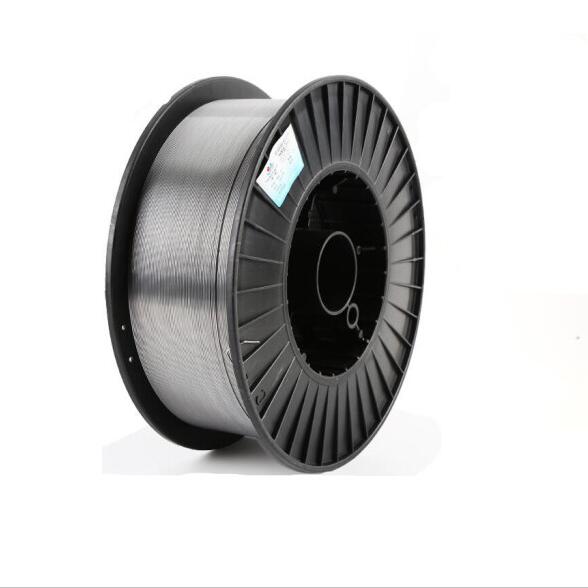
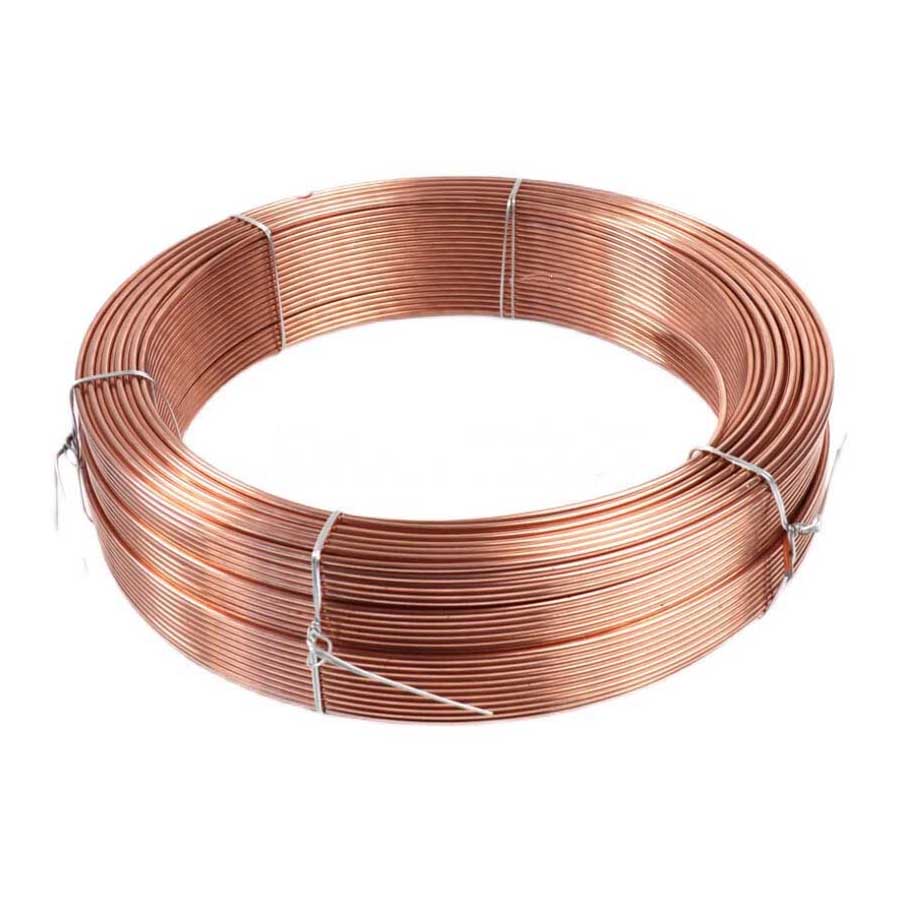
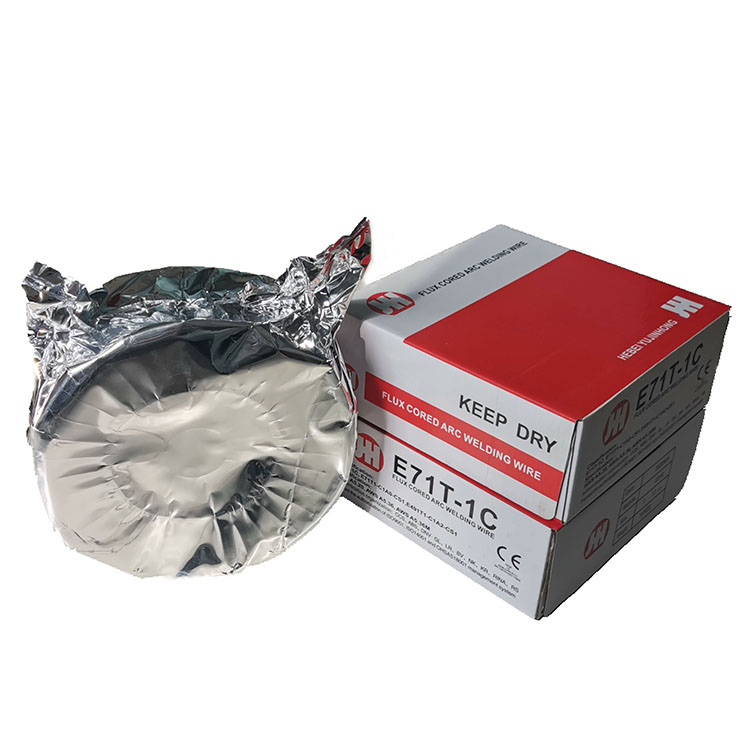
The adoption of specialized materials, such as mig aluminum wire, is accelerating in the electronics and lightweight transport sectors. As Pakistan seeks to diversify its export-oriented manufacturing, the transition from manual arc welding to semi-automatic processes is becoming a survival necessity for local firms.