
High-Performance Welding Electrode Solutions for Afghanistan Infrastructure

Precision-engineered cutting and joining tools tailored for the rugged industrial demands of the Afghan metalworking sector.

High-Performance Welding Electrode Solutions for Afghanistan Infrastructure

Providing the Afghan manufacturing industry with world-class consumables to ensure structural integrity and industrial efficiency in extreme environments.

Industrial Landscape of Welding in Afghanistan

Analyzing the current state of metal joining technologies in the region.

The metalworking industry in Afghanistan currently faces a unique intersection of reconstruction needs and traditional craftsmanship. Due to the arid climate and extreme temperature fluctuations, the demand for a high-quality metal welding rod is critical to prevent stress cracking in structural steel used for urban redevelopment.

Local workshops often rely on versatile equipment, but there is a growing shift toward specialized materials. The adoption of welding rod variants that offer higher penetration and stability is becoming essential for repairing heavy machinery and agricultural tools across the provinces.

Despite economic challenges, the increase in localized small-scale manufacturing has created a surge in demand for consistent welding wire, as businesses move away from makeshift repairs toward standardized industrial fabrication to meet safety regulations.
Technological Evolution of Afghan Metal Fabrication

From manual arc welding to advanced automated joining processes.

Market Development History

In the early 2000s, the Afghan market was dominated by basic shielded metal arc welding (SMAW), utilizing rudimentary electrodes for simple repairs. The focus was primarily on durability over precision, reflecting the urgent need for basic infrastructure stabilization.

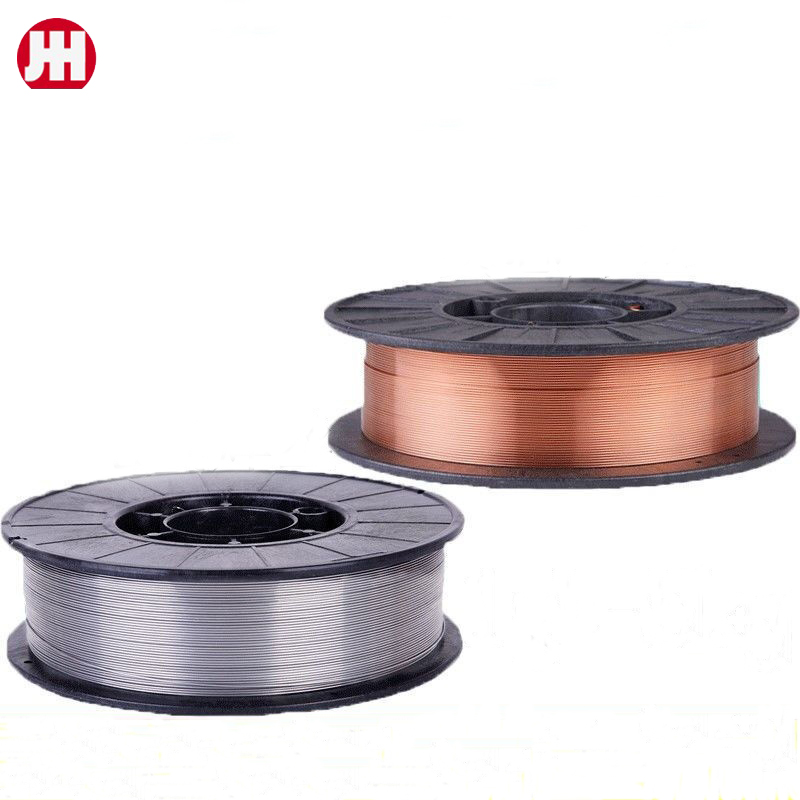
By 2010-2015, the introduction of more stable power grids in urban centers allowed for the transition toward MIG/MAG systems. This era saw the first significant imports of specialized welding wire, enabling faster production rates for gates, windows, and light industrial frames.

From 2018 to the present, there has been a strategic shift toward metallurgy-specific consumables. The demand for high-tensile materials and the integration of mig aluminum wire have emerged as the industry seeks to modernize aerospace components and automotive repairs.

Future Development Trends

Digitalization of Welding Parameters

Integration of inverter-based power sources that optimize the consumption of electrodes, reducing waste and increasing weld purity in remote Afghan sites.

Shift to Lightweight Alloys

An increasing trend toward aluminum fabrication in transport, driving the demand for premium-grade mig aluminum wire for corrosion-resistant structures.

Eco-Friendly Fluxing Agents

Moving toward low-smoke and low-spatter consumables to improve workshop health and safety standards in densely populated industrial zones.

Strategic Outlook for Cutting and Joining Tools

Forecasting the next 3-5 years of industrial growth in Afghanistan.

Infrastructure Resilience
Increased use of high-strength alloys for bridge and road construction across the Hindu Kush region.
Material Diversification
Expansion from carbon steel to aluminum and stainless steel fabrication for medical and food industries.
Precision Automation
Integration of semi-automated welding arms to enhance consistency in mass-produced metal tools.
Energy Efficiency
Adoption of low-voltage high-efficiency consumables to combat unstable power grids in rural areas.

Industry Outlook

Google search trends indicate a growing interest in "industrial welding training" and "advanced metal fabrication" within the region, signaling a shift from repair-based work to value-added manufacturing. We expect the demand for specialized alloys to grow by 15% annually.

The future will likely see a consolidation of the supply chain, where high-quality, certified imports replace generic consumables to ensure the longevity of national infrastructure projects.

Localized Applications in Afghanistan

Practical use cases for our welding consumables in the Afghan market.

1. Agricultural Equipment Repair

Using heavy-duty electrodes to reinforce tractor frames and plows used in the fertile plains of the north, ensuring resistance to high-impact soil conditions.

2. Urban Steel Structure Fabrication

Applying high-precision welding wire for the construction of commercial plazas and residential complexes in Kabul.

3. Automotive Body Restoration

Utilizing specialized mig aluminum wire for the repair of modern vehicle chassis and lightweight components.

4. Energy Pipeline Maintenance

Deploying high-pressure resistant metal welding rod for the maintenance of fuel and water pipelines across mountainous terrain.

5. Custom Metal Tooling

Supporting local artisans in creating precision cutting tools and hand tools through controlled heat-input welding techniques.

Brand Story

Global Development History of Hebei Yujinhong Technology Co., Ltd.

Industrial Foundation

Established as a specialist in metallurgical consumables, focusing on solving the problem of weld porosity in heavy-duty industrial tools.

Technological Breakthrough

Developed a proprietary coating for electrodes that ensures stable arcs even in unstable power environments, a critical need for emerging markets.

Global Expansion

Extended our reach to Asia and the Middle East, providing tailored solutions for infrastructure reconstruction in challenging geographies.

Quality Certification

Achieved international ISO standards, ensuring every batch of welding wire meets the rigorous safety demands of global engineering firms.

Sustainable Vision

Committing to the development of green metallurgy to reduce the carbon footprint of the global metalworking industry.

Comprehensive Welding Product Portfolio for Afghanistan

A curated selection of tools designed for maximum durability and efficiency.

Frequently Asked Questions - Afghan Market

Technical guidance for local manufacturers and engineers.

Which welding electrode is best for extreme temperature changes in Afghanistan?

For regions with high temperature variance, we recommend low-hydrogen electrodes that provide superior crack resistance and structural stability.

How do I prevent oxidation when using mig aluminum wire in humid conditions?

Ensure the wire is stored in a climate-controlled environment and use high-purity shielding gas to prevent atmospheric contamination.

Can a standard metal welding rod be used for galvanized steel repairs?

While possible, we recommend specialized galvanized-coated rods to ensure a cleaner weld and better corrosion resistance.

What is the difference between welding wire and welding rods for structural work?

Welding rods are typically used in SMAW (manual) processes for versatility, while welding wire is used in MIG/TIG processes for speed and precision.

How to choose the right diameter for welding electrodes in heavy fabrication?

Diameter should be selected based on the thickness of the base metal; thicker plates require larger diameter electrodes for deeper penetration.

Are these consumables compatible with low-voltage power sources?

Yes, our products are engineered to maintain arc stability even in areas with fluctuating voltage, common in remote industrial sites.

Get Expert Technical Support

Ready to upgrade your metal fabrication capabilities in Afghanistan? Our engineers are here to help you choose the perfect consumables.

Contact Us Now

If you are interested in our products, you can choose to leave your information here, and we will be in touch with you shortly.