High-Performance Welding Electrode Solutions for Myanmar Infrastructure

Empowering Myanmar's industrial growth with precision-engineered consumables for heavy-duty construction and metal fabrication.

High-Performance Welding Electrode Solutions for Myanmar Infrastructure

Our comprehensive range of welding consumables is specifically designed to withstand the rigorous demands of Myanmar's developing industrial landscape, ensuring structural integrity and operational efficiency.

Industrial Welding Landscape in Myanmar

Analyzing the current state of metal fabrication and joining technologies in the Myanmar market.

Myanmar's manufacturing sector is currently characterized by a transition from manual artisan workshops to semi-automated industrial plants. The high humidity and tropical climate of the region pose significant challenges for the storage of welding rod stocks, often leading to moisture absorption and porosity issues in critical joints.

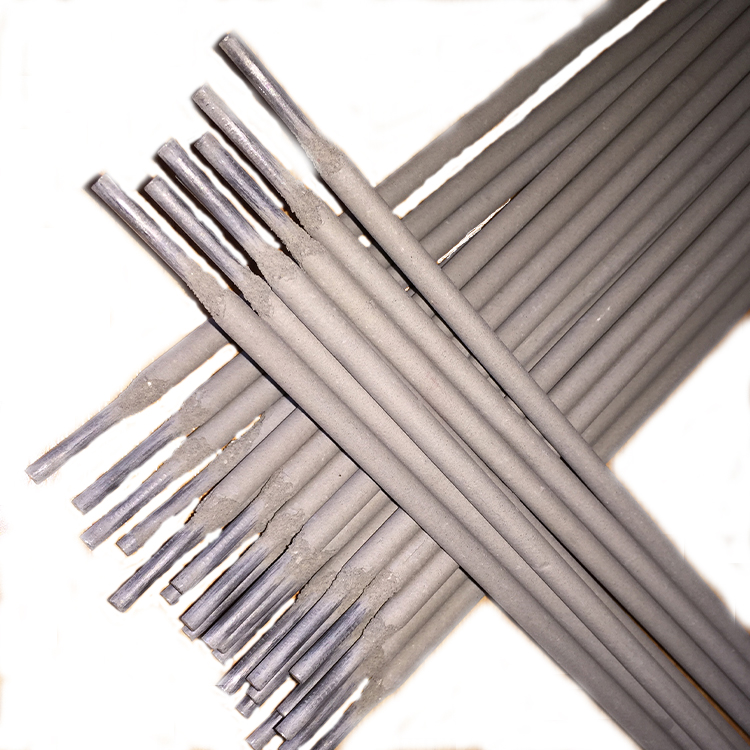
In urban centers like Yangon and Mandalay, there is a growing demand for metal welding rod options that can handle a variety of steel grades used in rapid urban expansion and bridge construction, where speed and reliability are paramount.

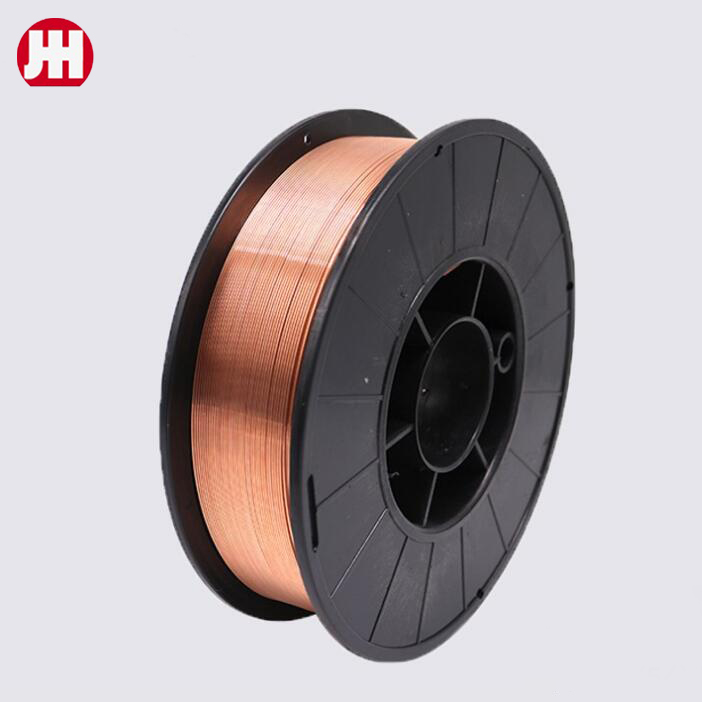
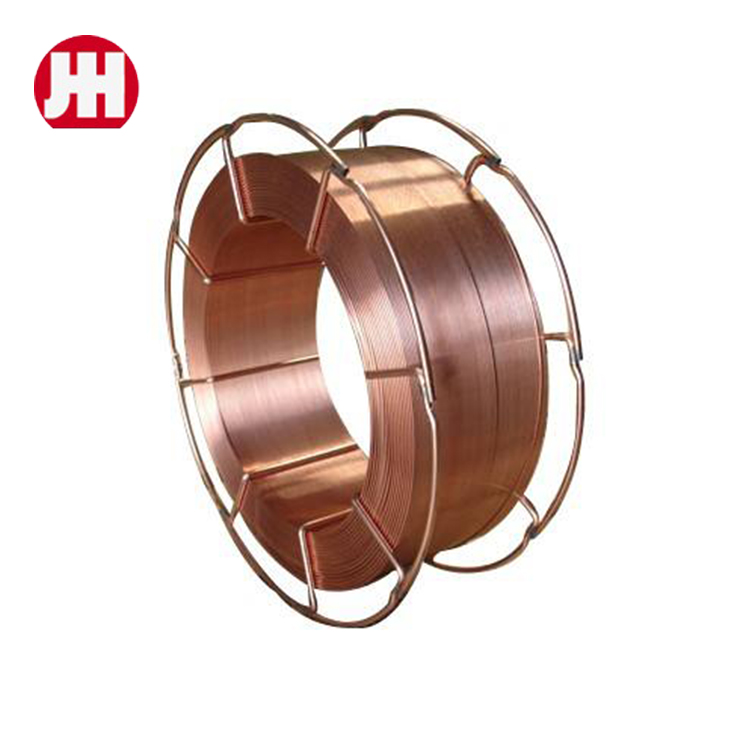
Currently, the market is seeing a shift toward higher efficiency. While traditional SMAW remains dominant, the adoption of welding wire for MIG/MAG processes is increasing in the automotive repair and agricultural equipment sectors to reduce downtime and improve weld quality.

Evolution and Trajectory of Myanmar's Welding Industry

From basic joining techniques to advanced metallurgical precision.

Market Development History

Prior to 2010, the Myanmar welding market relied heavily on basic carbon steel electrodes and rudimentary equipment, focusing primarily on small-scale repair and agricultural tool maintenance.

Between 2011 and 2020, the influx of foreign investment in energy and infrastructure introduced a surge in the use of specialized welding electrode standards (AWS/ISO), shifting the focus toward structural certification and safety.

From 2021 onwards, the industry has entered a phase of technical diversification, where the need for lightweight materials has driven the local adoption of mig aluminum wire for specialized manufacturing and electronics housing.

Future Development Trends

Digitalization of Welding Parameters

Integration of smart feeders and inverter technology will allow Myanmar's fabricators to optimize wire feed speeds and voltage in real-time.

Eco-Friendly Low-Fume Consumables

Increasing health and safety regulations will drive the demand for electrodes that produce fewer hazardous fumes during the melting process.

Shift Toward Aluminum Alloy Fabrication

As the transport sector evolves, the use of advanced aluminum alloys will make high-purity filler wires a market necessity.

Future Trends and Strategic Outlook

Predicting the next 3-5 years of cutting-tool and welding technology in Asia - Myanmar.

Automation Integration
Rapid adoption of robotic welding arms in automotive assembly lines within Myanmar's SEZs.
Material Diversification
Growing demand for specialized alloys to support high-corrosion environments in coastal regions.
Precision Engineering
Transitioning from general-purpose fabrication to aerospace and high-precision tool making.
Energy Efficiency
Implementation of energy-saving inverter welding power sources to reduce overhead costs.

Industry Outlook

Google search trends in the region indicate a rising interest in "automated MIG welding" and "aluminum fabrication," suggesting that the market is moving toward high-productivity, specialized joining techniques. The integration of foreign-standard consumables will be the primary driver of quality improvement.

We expect that the synergy between advanced cutting tools and high-grade welding consumables will create a more integrated metalworking ecosystem in Myanmar, reducing waste and increasing the export potential of locally manufactured goods.

Localized Application Scenarios in Myanmar

Real-world implementations of our welding solutions across key Myanmar sectors.

01. Urban Bridge and Highway Construction

Utilizing high-tensile strength electrodes to secure structural joints in the expanding highway networks connecting Yangon and Naypyidaw, ensuring seismic resilience.

02. Agricultural Machinery Fabrication

Applying durable carbon steel rods for the manufacture of rice harvesting equipment and tractors, focusing on wear resistance and heavy-duty load capacity.

03. Marine and Shipbuilding in Coastal Zones

Implementing corrosion-resistant wires for vessel repair in the Ayeyarwady Delta, protecting hulls from the harsh salinity of the Andaman Sea.

04. Electronics and Lightweight Frame Manufacturing

Using high-purity aluminum wire for the assembly of consumer electronic enclosures and lightweight transportation frames in industrial zones.

05. Energy Infrastructure and Pipeline Installation

Deploying specialized low-hydrogen electrodes for oil and gas pipeline welding to prevent hydrogen-induced cracking in extreme pressure environments.

Brand Story

Global Development Journey of Hebei Yujinhong Technology Co., Ltd.

Foundational Excellence

Established with a vision to redefine metallurgical precision, focusing on the core chemistry of cutting tools and welding consumables.

Technological Breakthrough

Developed proprietary alloy coatings that significantly reduced slag inclusions, setting a new industry benchmark for weld purity.

Global Market Expansion

Expanded operations into Southeast Asia, tailoring product lines to meet the specific climatic and industrial needs of markets like Myanmar.

Quality Certification Era

Achieved full ISO and AWS compliance, ensuring that every batch of product delivers consistent performance across different continents.

Sustainable Future Vision

Investing in green manufacturing to produce low-carbon electrodes, supporting the global transition toward sustainable industrialization.

Complete Welding Consumable Portfolio for Myanmar

A curated selection of high-performance tools designed for the unique demands of the Myanmar metalworking industry.

Common Questions for Myanmar Welders

Expert answers to the most frequent technical queries regarding welding consumables in the region.

How to prevent moisture in welding rod storage in Myanmar's humid climate?

We recommend using vacuum-sealed packaging and utilizing electrode drying ovens at 250-350°C before use to ensure a moisture-free arc and prevent porosity.

Which welding electrode is best for structural steel frames in Yangon?

For general structural steel, an E7018 low-hydrogen electrode is recommended due to its superior strength and impact resistance in load-bearing applications.

What are the advantages of using mig aluminum wire for boat repairs?

MIG aluminum wire provides higher deposition rates and cleaner welds compared to TIG, significantly speeding up the repair process for marine hulls.

Can a general metal welding rod be used for cast iron repair?

No, cast iron requires specialized nickel-based electrodes to prevent cracking due to the high carbon content and different thermal expansion rates.

How does welding wire quality affect the speed of industrial production?

High-quality wire ensures stable arc ignition and consistent feeding, reducing spatter and the time required for post-weld grinding and cleaning.

What certification should I look for when buying consumables in Myanmar?

Look for AWS (American Welding Society) or ISO certifications, which guarantee that the consumables meet international metallurgical and safety standards.

Get Technical Expert Support

Our engineers are ready to help you optimize your welding processes in Myanmar. Contact us for customized consumable recommendations.

Contact Us Now

If you are interested in our products, you can choose to leave your information here, and we will be in touch with you shortly.